
Buying the wrong semi truck backup camera costs more than the price tag suggests. Usually it shows up later, as a dented trailer, a missed blind spot, or footage that doesn’t exist right when you needed it. Most drivers don’t realize they made a mistake until they’re already backing into a dock with a camera that can’t see what matters, and by then the return window’s closed.
So here are the six mistakes quietly costing truckers money, starting with the one almost everybody gets wrong first.
Mistake 1: Buying a Camera With the Wrong Range
Sounds minor until you are behind a long combination vehicle or hauling an oversized load and your monitor keeps cutting out.
| Range | Typical Use | Watch Out For |
| 100–150ft | Standard single trailers, short routes | Signal drops on longer combinations |
| 300ft | Doubles, triples, oversized loads | Costs more upfront, rarely regretted |
Longer combinations, or anything hauling an oversized load, need range well beyond your actual trailer length. Cheaping out here isn’t really saving money, it’s just delaying the cost until the signal cuts out mid-maneuver in a tight yard with someone waiting behind you.
Mistake 2: Mounting the Camera in the Wrong Spot
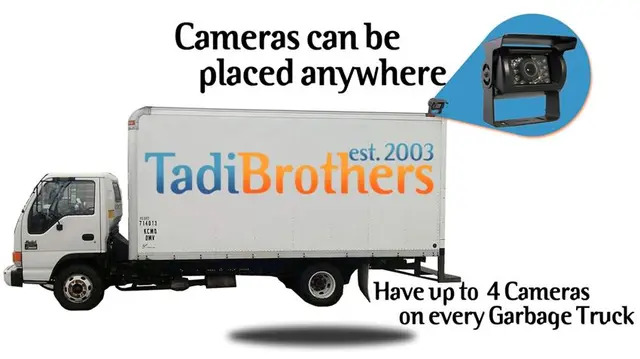
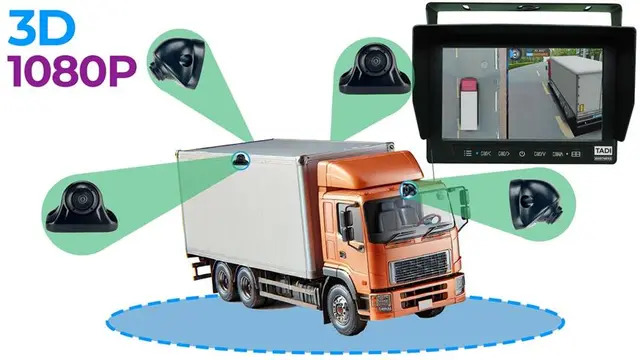
Every semi has several major blind spots, including both sides, directly in front of the cab, and behind the trailer. A single rear-mounted camera covers exactly one of those and leaves the other three exactly as blind as before.
Backup cameras can significantly reduce backing incidents by improving visibility where mirrors fall short, but that number assumes the camera is actually covering the zone where the risk lives. Think it through:
- Backing into a dock? Rear coverage matters, but side coverage catches the jackknife risk too
- Changing lanes with a long trailer? Side cameras matter more than rear ones
- Tight yards or construction sites? Front coverage catches pedestrians and low obstacles mirrors miss entirely
One camera solves one problem. Front, rear, and both sides together actually close the zones that cause real accidents.
Mistake 3: Skipping Night Vision to Save a Few Bucks
A huge share of trucking happens after dark, and a camera with weak infrared turns into a black rectangle the second the sun goes down, right when you’re most likely backing into an unfamiliar lot.
Look for a camera with a usable infrared range that matches your operating conditions. That gap between vague claims and actual performance is exactly where drivers get burned.
Mistake 4: Ignoring the Weatherproof Rating
Semi trucks live outside. Rain, road salt, dust, vibration, heat, cold, your camera deals with all of it daily, and gear built for casual use just won’t survive.
Look for an IP68 or IP69 rating specifically, it tells you the housing handles heavy water exposure and pressure washing without failing. A camera without a proper rating might work fine for a few months before moisture creeps in and the picture starts flickering out, usually right around when the warranty conveniently expires.
Mistake 5: Not Recording Anything at All
This is the mistake that costs the most long term, and people think about it least. Live-view helps you back up safely in the moment, sure, but gives you nothing afterward if there’s a dispute about what happened.
In accidents involving big rigs, When a crash involves a commercial truck, determining fault can become more complicated without clear evidence. Recorded footage has helped many drivers and fleets resolve insurance claims and disputes more quickly. A DVR-equipped system changes the whole equation, actual footage backing your side of the story instead of relying only on memory.
Mistake 6: Choosing the Cheapest Option Without Checking What You’re Getting
Tempting to grab whatever shows up first in a search, especially when you need something installed before your next run. But cheap options usually skip exactly what matters, decent range, real night vision, proper weatherproofing, built-in DVR recording.
It’s worth thinking about what the best semi truck camera system actually looks like for your setup, not just whatever’s on sale. A fleet running short routes in good weather needs different gear than an owner-operator hauling oversized loads through rural roads at night. TadiBrothers’ backup camera systems span a range built for these different situations, from single-camera setups to full multi-camera systems with recording built in.
What This Actually Costs Over Time
Stack these six mistakes together and the real cost gets obvious. Short range cuts out mid-backup. A poorly mounted single camera leaves three zones blind. Weak night vision turns half your driving hours into guesswork. A non-weatherproof housing fails within a season. No recording means no proof when you need it. Cutting corners on all of it upfront usually means replacing the whole system within a year or two, a strange way to end up spending more, not less.
TadiBrothers has spent years building systems for the realities of heavy-duty trucking, not repurposed car cameras with a bigger price tag. Their full backup camera systems lineup covers range up to 300 feet, real IR night vision, IP68/IP69 housings, and DVR recording built for drivers who need more than just a live view.
A semi truck backup camera chosen with these six mistakes in mind protects your rig, your record, and your wallet a lot better than whatever’s cheapest today.
So, be honest, how many of these six is your current setup already making?
FAQs
1. Do I need recording, or is live view enough?
Live view helps in the moment, but only recording protects you afterward in a dispute. Worth having both if your budget allows it.
2. How many cameras does a semi actually need?
Ideally four.. Many drivers benefit from front, rear, and side cameras, though the right setup depends on the truck and how it’s used.
3. Does installation cost much extra?
Some wireless systems are straightforward to install, while multi-camera or hardwired systems often benefit from professional installation. Hardwired multi-camera setups sometimes benefit from professional installation, especially on longer rigs.