
A good dash cam for accidents needs more than a sharp image. Though resolution matters, crash-locked files, a useful angle, and solid low-light performance matter just as much.
One should look for impact detection, a wide field of view, reliable low-light recording, and enough storage. GPS, parking mode, and front-and-rear coverage add extra protection depending on how you drive. All these contribute towards giving you footage that is clear and easy to pull up.
Why a Dash Cam for Accidents Matters
A dash cam isn’t just about image quality. It is about having something recorded when you need it.
Insurance disputes often come down to two conflicting stories. Nothing else backs either side up. Dash cam footage gives an insurer another piece of information to weigh. It beats your word against theirs.
It also holds onto details people forget once the adrenaline fades. The order cars were moving in, road conditions, and what happened right before impact.
Best Dash Cams for Accidents by Use Case
Here are two TadiBrothers options built for different driving needs.
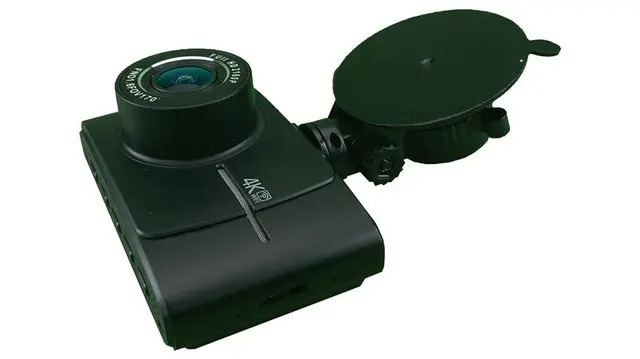
| Use Case | Pick | Why It Fits |
| Best Overall | 4K Dash Cam with Backup Camera | Sharp resolution plus front and backup coverage |
| Front + Rear Coverage | Dual Lens 2.7-Inch Dash Camera (TBF30) | Records both directions from one setup |
Browse the full dash cam lineup to compare features side by side.
9 Essential Features to Look For
- Day and night performance. Nighttime footage matters as much as daytime footage. Judge low-light quality on its own.
- G-sensor impact locking. A sudden impact locks that clip. Loop recording can’t overwrite it later.
- A useful field of view. Aim for 140 to 170 degrees. Placement and lens distortion still shape the frame.
- Reliable loop recording. Old, unlocked footage gets replaced once the card fills. You never delete clips by hand.
- Parking mode. Catches movement while the car sits parked. It needs steady power to work.
- GPS and timestamp data. Location and time add real context. Accuracy still depends on the camera.
- Simple footage retrieval. Wi-Fi or easy storage matters most right after a crash. Your hands won’t be steady.
- Durable hardware. Supercapacitors handle temperature swings better than standard batteries. Check the range before buying.
- Front and rear coverage. A second camera reaches angles the front lens can’t. Rear-end hits need that view.
Do You Need a Front and Rear Dash Cam?
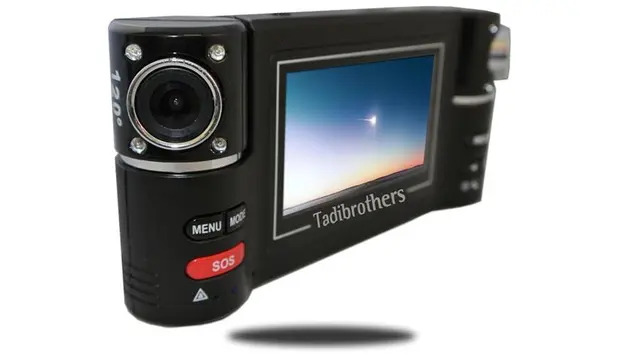
Not every driver needs two cameras.
Short trips on quiet roads? One front camera might cover it. Heavy traffic or rideshare driving? Rear coverage starts pulling real weight.
Think about where incidents happen in your routine. Don’t just grab the priciest setup because it sounds safer.
Can Dash Cam Footage Be Used as Evidence?
It can help. The value still depends on the situation.
A clear, unedited file with accurate date and time holds up best. If something happens, save the original file and keep it safe.
GPS adds useful context about where footage was recorded. It still won’t decide fault on its own. It won’t guarantee acceptance in every legal case either.
Common Mistakes When Choosing a Dash Cam
- Picking the cheapest option without checking impact protection
- Judging night performance from a daytime demo video
- Skipping memory card compatibility checks
- Assuming one front camera covers every angle
- Never testing footage retrieval until after a crash
Any one of these can leave you without usable footage right when you need it most.
FAQs
Does a dash cam lower my insurance rate?
Not automatically. Some insurers offer small discounts. The real benefit shows up when you need documentation.
Can dash cam footage be used in court?
Sometimes, depending on the case and local rules. An original, unedited file has the best shot at holding up.
How long does footage stay stored before it is overwritten?
That depends on card size and loop settings. Locked clips stay protected, but too many can eat up storage.
Do I need a hardwire kit for parking mode?
Not always. The camera just needs power while parked. That can come from a battery pack instead.
Choosing the Right Dash Cam for How You Drive
The best dash cam for accidents isn’t the flashiest one on the spec sheet. It is the one that fits how you actually drive.
TadiBrothers offers single, dual, and specialty setups. Compare coverage against your own habits instead of guessing.
Before buying, ask one question. If something happened on your drive home tonight, would your camera back you up?