
Dash cams are generally legal in all 50 states, but every state has its own rules on windshield mounting and audio recording. But here is what most drivers miss: owning one legally and using one correctly aren’t the same thing. Get the placement or audio settings wrong, and that “legal” camera can still land you a ticket or get your footage tossed out of court.
At TadiBrothers, we regularly help drivers choose and install dash cams for cars, trucks, RVs, and commercial vehicles. One question comes up again and again: “Are dash cams actually legal?” The short answer is yes, but where and how you install one matters just as much as owning it.
Why Dash Cam Laws Differ by State
There is no single federal rule. Each state sets its own limits on where you can mount a camera and whether you need consent to record audio. The basic rule stays the same across the country, but the details vary from state to state.
| State | Windshield Mounting Rule | Audio Consent |
| California | Up to 5 sq. in. (driver side) or 7 sq. in. (passenger side) in permitted windshield locations | All-party consent |
| Illinois | Must not obstruct the driver’s view; follow state windshield obstruction laws | All-party consent |
| Florida | Must not obstruct the driver’s view | All-party consent |
| Texas | Must not obstruct the driver’s view | One-party consent |
| New York | Must not obstruct the driver’s view | One-party consent |
1: Mounting Your Dash Cam in the Wrong Spot
This is the most common slip-up. Drivers unbox a new camera and stick it dead center of the windshield because it looks good on camera. This is incorrect.
Most states cap how much windshield space a device can cover. California limits mounts to a five-inch square near the driver’s side. Illinois requires driver-side dashboard mounting only, capped at five square inches. Improper placement can violate windshield obstruction laws and may lead to a citation.
- Mount low, near the rearview mirror, out of your direct sightline
- Check your state’s exact size rule before installing anything
- Skip the windows entirely if your state requires dashboard-only mounting
Many TadiBrothers dash cams are designed with compact mounting options, making it easier to install the camera near the rearview mirror while keeping the driver’s view clear, where permitted by local laws.
2: Recording Audio Without Telling Passengers
You would think recording your own car is nobody’s business but yours. That is far from the truth. States like California, Illinois, and Florida require all-party consent before you record audio. That means a friend venting in your passenger seat technically needs to know they’re being recorded.
Skip this step, and you are not just risking an awkward moment; you could be looking at real trouble under wiretapping laws in those states. The fix is simple: just tell people. In all-party consent states, everyone involved generally needs to consent before private conversations are recorded.
3: Assuming All Footage Holds Up in Court
Owning a dash cam doesn’t guarantee your footage saves you in an accident claim. Judges and insurance adjusters look closely at how footage was captured. Mount it illegally, or record audio without consent in an all-party state, and that improperly obtained footage may be challenged or carry less weight depending on the circumstances — right when you need it most.
Ask yourself: would your current setup actually hold up if you needed it tomorrow?
4: Buying the Cheapest Camera You Can Find
Dashcam price ranges from inexpensive entry-level models to professional multi-camera systems. You don’t need to spend a fortune, but going ultra-cheap often backfires: grainy footage, unreliable storage, lenses that fog up in sunlight. Clear footage matters just as much as legal compliance.
A well-built dash cam from an established manufacturer is usually a better investment than the cheapest option. TadiBrothers offers dash cams designed for everyday drivers as well as commercial vehicles, with options that prioritize clear video, dependable recording, and straightforward installation.
5: Ignoring Updates to Your State’s Laws
Laws can change over time, so it’s worth checking current state requirements before installing a new dash cam. A state with loose rules five years ago might have tightened its audio consent requirements since. Check your state DMV site once a year, and research laws for any state you’re road-tripping through. It takes ten minutes and saves you from acting on outdated information.
Are Dash Cams Legal for Rideshare and Delivery Drivers?
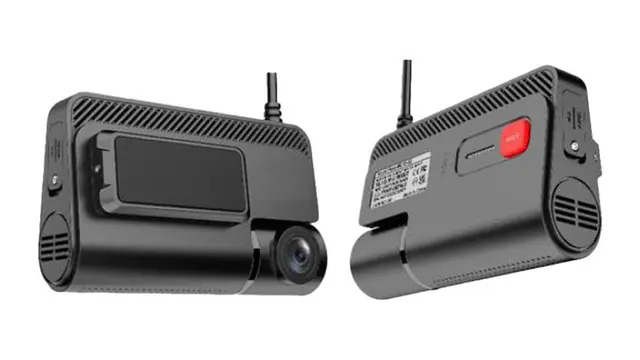
Many rideshare and delivery drivers choose dash cams for added protection. Uber and Lyft drivers commonly use dash cams to document passenger disputes and protect against false claims. The same state placement and audio-consent rules apply here too, so a rideshare driver in California still needs all-party consent for audio, same as anyone else.
Protect Your Drive the Right Way
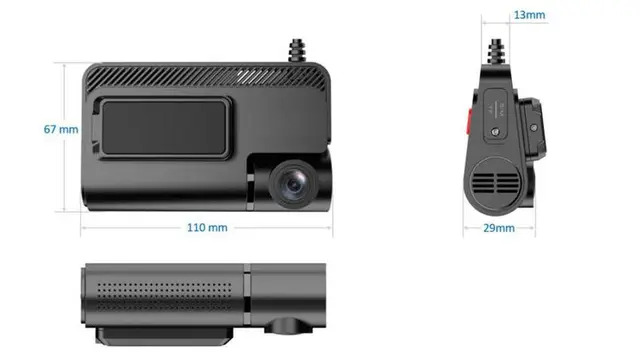
At TadiBrothers, we always recommend choosing a dash cam that matches both your vehicle and your state’s requirements. A properly installed camera is far more valuable than one with extra features that aren’t set up correctly. Taking a few minutes to install it the right way can make all the difference if you ever need the footage.
Once you understand your state’s rules, a dash cam becomes one of the simplest ways to protect yourself on the road. TadiBrothers offers dash cam systems for personal vehicles, RVs, trucks, and commercial fleets, helping drivers record clear evidence without adding unnecessary complexity. So here’s the real question: if something happened tomorrow, would your current setup give you the proof you need?
FAQs: Are Dash Cams Legal?
1. Are dash cams legal in all 50 states?
Yes. No state prohibits owning or using one, though mounting and audio rules vary.
2. Do I need to tell passengers I’m recording?
In all-party consent states like California, Florida, and Illinois — yes, always.
3. Can dash cam footage be used against me?
Yes. It works both ways. If you were speeding or driving carelessly, that footage can be used against you too.
4. Is it illegal to hardwire a dash cam?
No, hardwiring itself is legal in every state. Just make sure the installation doesn’t block airbag deployment zones.
5. What should I look for when buying a dash cam?
Choose a model that complies with your state’s mounting requirements, records clear footage, and is easy to install. TadiBrothers offers options for passenger vehicles, RVs, and commercial fleets, so you can match the camera to how you drive.