
The best interior dash cam needs three things. Sharp night footage of your cabin. Storage that survives nonstop loop recording. And a setup you can legally run. Nail those three, and the rest is a bonus.
Your car becomes a small public space once you drive for Uber or Lyft. Most rides go fine. Some do not. When a dispute happens, a camera for inside car use settles it fast.
Why Rideshare Drivers Need an Interior Dash Cam
Ever had a passenger accuse you of something that never happened? It’s not rare. A false complaint can get your account flagged. Sometimes even suspended, while the platform “investigates.” That investigation runs on whatever evidence exists. An interior dash cam turns a memory contest into a timestamped record. It works both ways too. Fare disputes and lost-item claims get sorted fast once someone pulls the footage.
Is It Legal to Record Passengers?
Can you record someone without asking first? That is the question most drivers end up googling, usually after a weird ride. Uber and Lyft both allow interior dash cams. But audio recording laws depend on your state. “One-party consent” states let you record if you are part of the conversation whereas other states need everyone’s okay, audio included.
A few things that actually help here:
- Look up your state’s consent law. Video and audio rules aren’t always the same.
- Add a small “This vehicle is recorded for safety” sticker to your rear window.
- Default to video-only if you are unsure what your state requires.
That sticker does more work than you would think. Most passengers see it and move on.
2-Channel vs. 3-Channel: Which Setup Do You Actually Need?
Not every rideshare driver needs the same rig. A 2-channel dash cam covers the front and rear. That is plenty for collisions and parking damage. What it won’t show you is anything inside the car. That’s where a 3-channel setup earns its keep. Most passenger disputes happen in the cabin, not out on the road.
Delivery driver with no passengers? Two channels will cover you fine. Carrying people daily is a different story. That is when interior coverage pays for itself.
What to Look For Before You Buy
- Infrared night vision. Cabin lighting is usually dim. Weak IR just means a useless black square after dark.
- High-endurance storage support. Regular SD cards burn out fast under nonstop recording.
- An audio on/off toggle. You want to match your state’s rules without digging through menus.
- Cloud backup, or an app you can pull clips from. Rideshare cars rack up 30,000+ miles a year. A card that gets overwritten helps nobody.
- Easy mounting. A clean install beats a tangle of wires near your view.
Not sure what fits your car? TadiBrothers’ dash cams selection lets you filter by these features first.
6 Best Interior Dash Cams for Rideshare Drivers in 2026
| Model | Interior View | Night Vision | Price | Best For |
| Viofo A229 Plus | 1080p add-on lens | Strong (Starvis 2) | $150-200 | Balanced value |
| Viofo A329S | Wide 1080p | Strong | $250-300 | Full back seat coverage |
| Vantrue N4 Pro S | 1080p, IR | Excellent | $250-280 | Long-term durability |
| 70mai 4K + Cabin | 1080p add-on | Decent | $130-160 | Budget entry point |
| Rexing V-Series Dual | 1080p | Decent | $100-140 | Simple setup |
| TadiBrothers TBF30 | 1080p dual lens | Good | $90-130 | Support-backed simplicity |
Quick Notes on Each Pick
The Viofo A229 Plus pairs a 2K front camera with an optional interior lens. It handles low light well for its price. Want a wider view of the back seat? Try the A329S. Its interior angle catches both back seats in one frame. Racking up serious mileage every week? The Vantrue N4 Pro S was built for that. Its IR quality holds up in a dark cabin.
On a tighter budget, the 70mai and Rexing won’t match flagship clarity. But neither is a headache to install. That counts for something. Want one company for support instead of three apps? TadiBrothers’ dual lens dash camera covers front and cabin footage in one simple setup.
Is It Worth the Extra Cost?
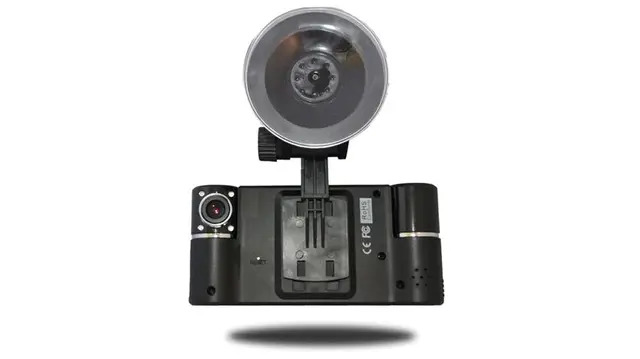
Only driving your own car for errands? Skip the interior lens. Carrying passengers on a regular basis? Coverage pays for itself fast. One resolved dispute can cover the camera’s cost several times over. You don’t need to spend big either. A mid-range camera for inside car use handles most real scenarios just fine.
No camera stops a bad ride from happening. What it does is put the truth on your side. TadiBrothers’ dash cams lineup is a solid place to start comparing options. Really, the question isn’t whether you need one. It’s how many more shifts you’ll drive without one.
FAQs
Do I have to tell passengers I’m recording?
Not usually for video. Audio gets messy since rules change by state. A window sticker keeps things transparent.
Will this drain my car battery?
Barely, in most cases. Modern units sip power and shut off automatically. Hardwired parking mode setups are the exception. Those stay on and pull more current.
Could I just use my phone instead?
You could, but it is not ideal. Phones overheat and don’t loop-record properly. They also burn through batteries fast. A real camera for inside car use runs a full shift without babysitting.