
A UTV backup camera works harder than a typical car camera ever has to. Mud, vibration, rain, dust, and rough trail; sometimes all in the same afternoon. Durability ends up mattering just as much as image quality.
The right setup also depends on how you actually ride. A weekend rider might get by fine with one dependable rear camera. Someone weaving a Polaris through tight trails or serious off-road terrain probably wants a few different views instead of just one.
Here are six features worth thinking about before you buy.
Why a UTV Backup Camera Needs Different Features
A UTV spends far more time on rough ground than most passenger vehicles do, and that takes a toll on mounts, cables, connectors, and every other bit of hardware involved.
Water and dust protection matter just as much. Don’t assume a camera can handle off-road conditions just because it’s marketed that way — check the manufacturer’s actual weatherproofing rating, and look at the operating-temperature range too if you ride in serious heat or cold.
TadiBrothers Backup Camera Systems carries a range of camera and mounting configurations, which makes it easier to compare options against your specific vehicle.
6 Features to Look for in a UTV Backup Camera
1. Weather and Water Resistance
Mud splashes are fun until they hit the lens.
If you’re riding trails regularly, look for a camera with a clearly stated weatherproof or waterproof rating — and don’t assume two cameras both labeled “off-road” offer the same level of protection.
An IP rating gives you something concrete to compare, as long as you’re checking the rating for the actual model you’re buying rather than the brand’s general reputation.
2. A Mount That Can Handle Vibration
A UTV almost never travels over smooth ground, and constant bumps put real stress on a mount that isn’t secured well.
Pick a mounting position that keeps the camera steady without putting it directly in the path of impacts, and check the hardware before your first real ride. A sharp picture doesn’t help much once the camera’s shifted three miles into the trail.
3. A Useful Viewing Angle
A wider angle shows more of what’s behind the vehicle — handy when you’re backing into a tight campsite, threading a narrow trail, or lining up a trailer.
But wider isn’t automatically better. Push the angle too far and you get more distortion, with objects looking farther away than they actually are.
TadiBrothers notes that 120 degrees is a common viewing angle for its backup cameras, with other angles available depending on the application. (blog.tadibrothers.com)
What works best really comes down to where you mount it and how much coverage you actually need.
4. Night Vision for Low-Light Riding
The trail doesn’t get any easier once the sun’s down.
Night vision makes reversing around a dark campsite, barn, garage, or trailhead a lot less stressful. Judge it by actual low-light performance rather than the LED count on the spec sheet.
If you ride after dark often, it’s worth testing the mount position too — a decent camera can still give you a useless view if it’s angled toward glare, dust, or some part of the vehicle blocking the frame.
5. Wired or Wireless Connectivity
Both setups work fine on a UTV — it’s really about trade-offs.
Wireless skips the hassle of routing a long cable through the vehicle, and TadiBrothers’ digital wireless systems add features like 1080p video and improved night vision on top of that. (blog.tadibrothers.com)
Wired makes more sense if you want a permanent connection and don’t mind the extra installation time. What you pick should come down to the vehicle, how you’re routing cables, the distance involved, and the specific system you’re looking at — wireless isn’t inherently less reliable, and wired isn’t automatically better. Check the actual specs for whatever you’re buying.
6. The Right Number of Cameras
A single rear camera does the job fine if all you need is a clear view of what’s directly behind you.
Some riders need more than that, though. Tight trails, obstacles close to the vehicle, and awkward parking spots all make extra coverage genuinely useful.
That’s where a surround-view system fits in. TadiBrothers currently sells a 360° Polaris Dune Buggy Camera System built around four wide-angle 1080p cameras, a 3D surround-view display, an integrated DVR, and night vision — marketed specifically for Polaris dune buggies and UTVs. (tadibrothers.com)
Four cameras is obviously a bigger commitment than one rear-facing lens. For riders who need real visibility around the whole vehicle, though, it’s worth the extra setup.
Wireless or Wired: Which Should You Choose?
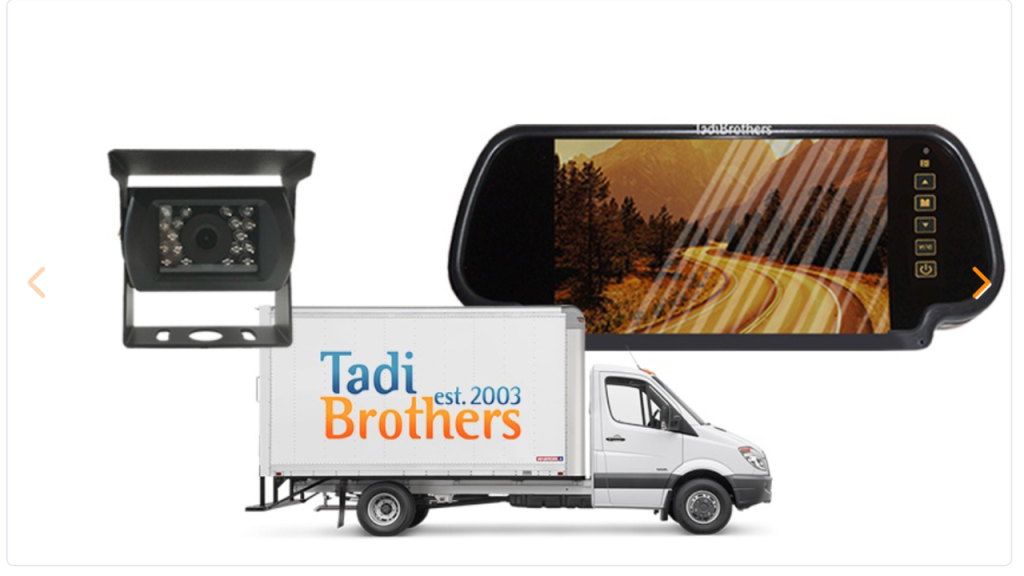
Start by figuring out what actually matters to you during installation.
Wireless wins if you want fewer cables and a simpler setup. Wired makes more sense if you’re comfortable routing cables and want something permanent.
Your specific UTV plays a role too — some models make power and mounting far easier to access than others. Before you drill or route anything, map out exactly where the camera, display, and power connections will end up.
Installing a UTV Backup Camera
There’s no single installation method that fits every UTV.
Some systems tap into switched power, others run off a reverse-light circuit, and some use a different source entirely — follow the wiring instructions for your specific camera rather than assuming every system works the same way.
Mounting takes more thought than just bolting the camera on. Make sure the lens has a clear line of sight, the mount is genuinely secure, and nothing on the trail — branches especially — can knock into it.
Test the image before you lock everything down for good. It’s far easier to nudge the angle now than after the installation’s finished.
Is a UTV Backup Camera Worth It?
For most UTV owners, better rear visibility is a small upgrade with an obvious payoff — backing into a trailer, campsite, garage, or narrow trail gets a lot easier without constantly craning your neck.
The real work is matching the setup to how you ride. A basic rear camera covers most everyday use just fine. Riders spending serious time on rough trails will likely get more out of wider coverage or a full multi-camera system.
The best UTV backup camera isn’t the one with the longest feature list. It’s the one still giving you a usable view when the trail turns rough, wet, dark, and unpredictable all at once.