
Driving today takes precision, awareness, and confidence. As vehicles grow in size and road conditions become more dynamic, the integration of a rearview mirror and backup camera transforms everyday driving into a safer and more intuitive experience.
You can also check out Tadibrothers, with its wide range of rear visibility camera systems, by offering advanced solutions that combine clarity, reliability, and seamless installation.
In this comprehensive guide, we explain how these technologies work together, how to choose the right components, and how to ensure flawless integration for maximum visibility.
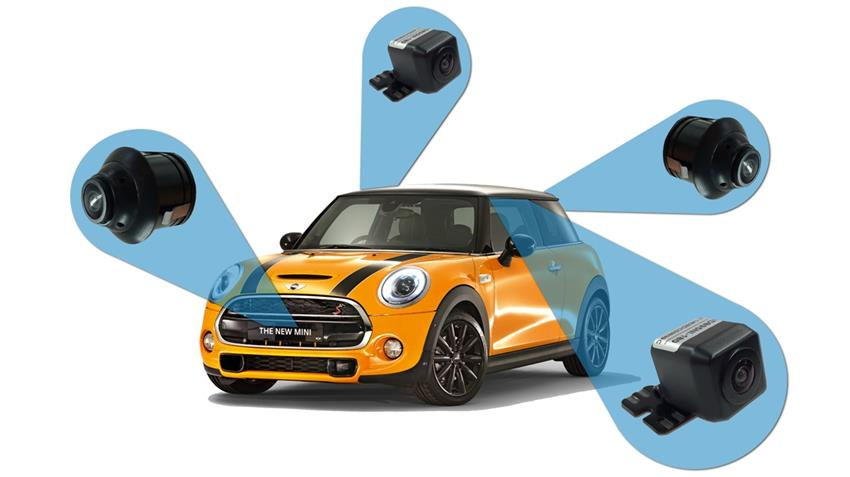
Why Integrated Rear Visibility Systems Matter
Enhancing rear visibility is essential for safe, predictable driving. A unified rearview mirror and backup camera setup delivers immediate access to what happens behind the vehicle.
These backup camera systems are especially useful when navigating tight spaces, reversing in low light, or maneuvering through busy streets.
You get the display positioned exactly where the eyes naturally look, and drivers enjoy a fluid and intuitive rearview experience.
Understanding the Technology Behind Modern Rear Visibility Systems
1. Smart Rearview Mirrors
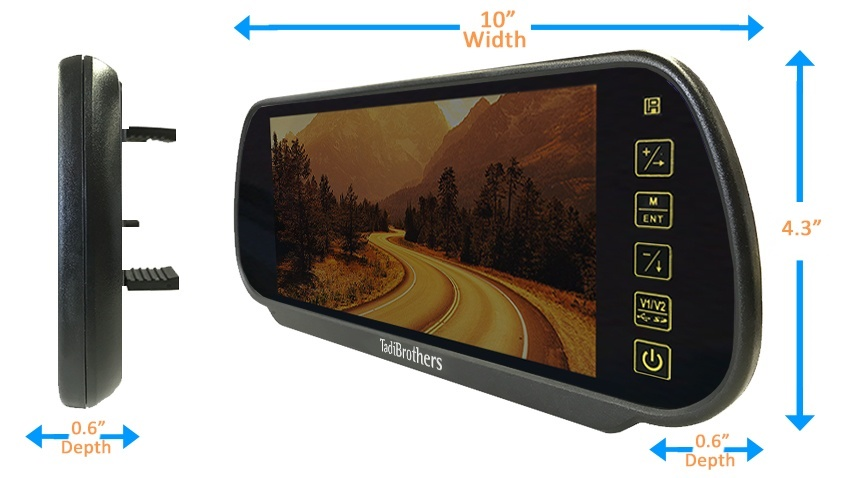
Rear View Clip On Mirror with Optional Backup Camera system that blends traditional reflective surfaces with advanced display capabilities. These hybrid mirrors activate a built-in LCD screen that provides high-definition visuals from your backup or 360° camera system.
Key features include:
- Integrated LCD panel for instant live video
- Auto-dimming to minimize glare
- Ambient light sensors for brightness balance
- Factory-fit design that preserves your interior aesthetics
This optimized view helps drivers gauge distance and objects around their vehicle with more accuracy.
2. Advanced 360° Car Camera System Integration
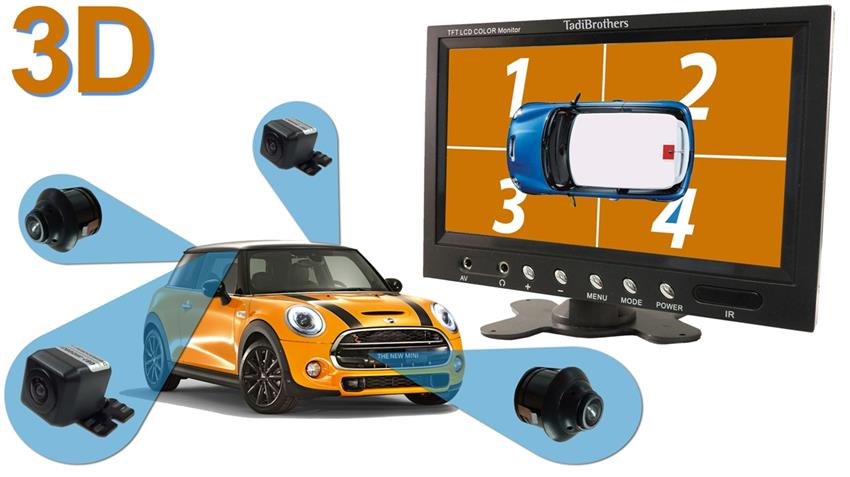
A modern 360 degree car camera system expands visibility far beyond a standard reverse camera. When integrated with the mirror display, it delivers a complete panoramic perspective that eliminates blind spots.
High-performance systems typically include:
- Wired 1080P (AHD) connectivity for sharp, stable imaging
- Full 360° all-around view for superior spatial awareness
- Backup camera connectivity for synchronized rear, side, and front feeds
- 7-inch rearview monitor compatible with any backup camera
- Designed for consumer vehicles, ensuring universal fit and smooth installation
Installed around the vehicle’s perimeter, this 360 degree backup camera system produces a real-time image that makes reversing, parking, and navigating tight spaces significantly safer and more controlled.
Benefits of Integrating a Rearview Mirror and Backup Camera System
Enhanced Spatial Awareness
A combined camera system increases depth perception and reduces unnecessary head movement, giving you instant feedback with minimal effort.
Precision Parking Support
Wide-angle feeds and optional guide lines allow you to fit into narrow spaces without stress.
Superior Low-Light Performance
HDR sensors, night-mode functionality, and anti-glare displays maintain clarity during nighttime or dim conditions.
Family and Pedestrian Safety
Real-time imaging helps prevent accidents by revealing children, pets, or obstacles hidden from standard mirrors.
Clean, Non-Intrusive Setup
With the display built into the mirror, the dashboard remains free of extra screens.
Choosing the Right Mirror-Camera Integration System
1. Vehicle Compatibility
Ensure the system supports your vehicle’s mounting design and electrical connections.
2. Image Resolution
For the best clarity, choose systems with 1080P (AHD) or higher.
3. Mirror Screen Size
Common sizes range from 4.3 to 10 inches within the mirror frame. Larger screens improve visibility without obstructing reflection.
4. Wired vs. Wireless Systems
- Wired: Most stable, ideal for daily driving
- Wireless: Faster installation, useful for RVs and larger vehicles
5. Durability & Weatherproofing
Look for waterproof, dust-resistant, and vibration-resistant camera housings.
Step-by-Step Integration Guide
1. Preparation
Disconnect the battery and gather tools such as trim removal tools, electrical tape, and wire connectors.
2. Backup Camera Installation
- Mount the camera above the license plate or within the bumper.
- Route cables through factory grommets
- Secure wiring with protective tubing
3. Power Connection
Connect the camera to the reverse light circuit for automatic activation when the vehicle shifts into reverse.
4. Install the Rear View Mirror Display
- Remove the OEM mirror
- Attach the smart mirror mount
- Route wiring behind panels and headliner
- Connect video cables to the camera input
5. Calibration
Adjust camera angles to avoid ground distortion, and test visibility during both daytime and nighttime.
Advanced Features Worth Considering
Parking Assist Gridlines
Choose systems with customizable guidelines for better depth and angle judgment.
Dual-Input Mirror Displays
Allows connection of rear and side/front cameras simultaneously.
DVR Recording Options
Some systems integrate loop recording for additional driving security.
Voice or Button Control
Streamlines switching between views without distraction.
Troubleshooting Common Integration Challenges
Flickering Screens
Often the result of loose ground connections. Check wiring stability.
Image Interference
Wireless systems may require repositioning transmitters for better reception.
No Reverse Trigger Activation
Verify the reverse light circuit is delivering power and ensure the trigger wire is correctly attached.
Misaligned Images
Readjust camera angles or recalibrate your 360° stitching module.
Maintenance Tips for Long-Term Performance
- Clean lenses with microfiber cloth
- Avoid direct high-pressure sprays on the camera.
- Inspect wiring annually for wear
- Keep mirror screens free of scratches and smudges.
Maintaining your rearview mirror and backup camera system ensures reliability and long-term clarity.
Recommendation
For most vehicles, the ideal setup includes a wired 1080P (AHD) camera paired with a smart mirror display and supported by a full 360° system. This configuration offers a clean aesthetic, excellent stability, and maximum visibility in all driving conditions.
Tadibrothers Recommended Products
- Backup Camera Systems with 1–2 Rear View Cameras – Perfect for small cars and trucks.
- 7-Inch LCD Mirror Monitor – Clear viewing without taking up dashboard space.
- Digital Wireless RV Backup Mirror Monitor – Ideal for large vehicles.
- 7-Split Screen Mirror for Multiple Cameras – Great for trailers, buses, and RVs.
- Backup Monitors for Rear View Cameras – Various options for flexible setups.
Explore Tadibrother resources such as the Digital Rear View Mirror Guide and Answers About the Rearview Mirror.
Conclusion
An integrated visibility system is more than a modern convenience; it is a crucial safety upgrade. Combining a rearview mirror and backup camera enhances precision, expands the field of view, and eliminates blind spots with professional-grade clarity.
If you’re looking for a new set of backup camera systems or planning an upgrade, you can also check out Tadibrothers. They continue to drive innovation in this space, offering dependable, high-definition systems designed for everyday drivers.