
A failing service parking assist system can quickly become a safety risk. If your parking sensors stop working or your camera freezes, do not ignore it. Small issues often turn into expensive repairs later.
Most drivers rely on parking assist systems every day. You hear the warning beep and instantly feel safer. You trust the camera while backing into tight spaces. Then one day the system suddenly fails.
Parking becomes stressful again.
That is why reliable parking technology matters. Trusted brands like TadiBrothers offer smarter parking systems that improve visibility and reduce blind spots. Products like the Parking Assist System with Moving Gridlines (OBD II) help drivers reverse more safely with clearer rear guidance.
Why Service Parking Assist Problems Matter
Modern vehicles are harder to park now. SUVs and trucks create larger blind spots. Tight parking spaces make things worse.
That is why parking assist systems help so much.
A good parking assist system can:
- detect nearby objects
- reduce blind spots
- improve rear visibility
- prevent bumper damage
- help drivers reverse safely
But once the system starts failing, those safety benefits disappear quickly.
Many drivers do not realize how much they depend on parking sensors until the alerts stop working.
What Causes a Service Parking Assist Warning?
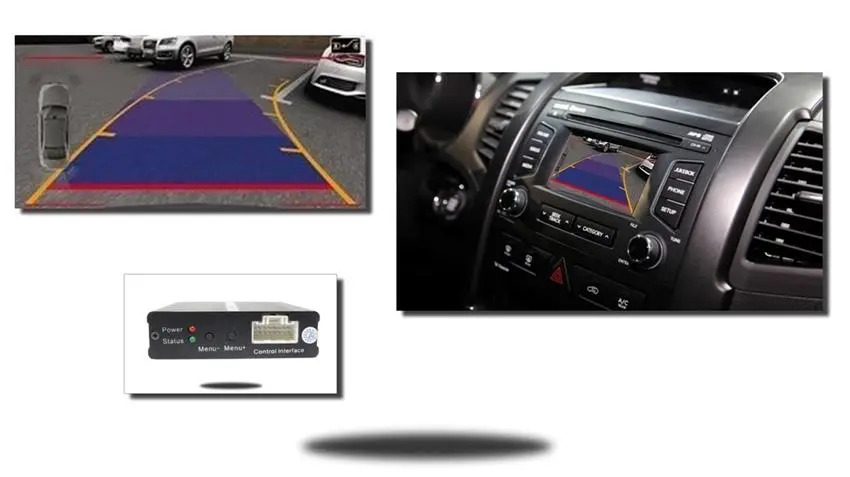
Several things can trigger a service parking assist warning.
Some problems are simple. Others point to deeper system failures.
Common causes include:
- dirty sensors
- damaged wiring
- faulty cameras
- water damage
- software glitches
- weak sensor signals
Weather also affects parking systems more than people expect.
Rain, snow, mud, and road salt can block parking sensors. That is why warning lights sometimes appear after storms.
One driver thought his system failed after a snowstorm. The real problem was frozen slush covering the sensors.
Sometimes the fix is surprisingly simple.
How Parking Assist Systems Work
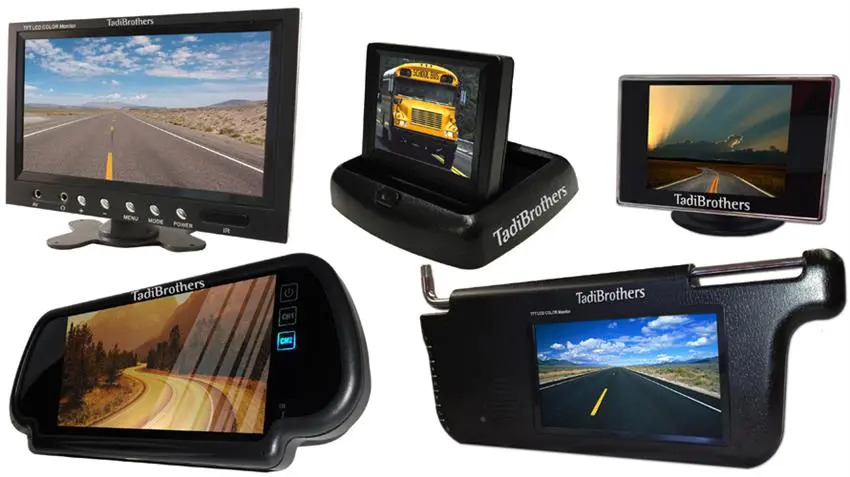
Many drivers use parking assist systems daily without understanding how they work.
Most systems combine:
- parking sensors
- backup cameras
- warning alerts
- visual guidelines
Sensors detect nearby obstacles and send warning sounds. Cameras improve rear visibility and help drivers judge distance better.
Advanced systems like the Parking Assist System with Moving Gridlines (OBD II) also provide moving guidelines that shift while steering.
That makes parking much easier.
1. Parking Sensors Stop Detecting Objects
This is one of the most dangerous problems.
Your system may:
- stop beeping
- react too late
- miss small objects
- fail near curbs
That becomes risky in:
- school zones
- parking garages
- crowded parking lots
- tight driveways
Imagine reversing while trusting warnings that never come.
Weak sensors usually fail because of:
- dirt buildup
- cracked sensors
- loose wiring
- moisture damage
How to Fix Service Park Assist System Sensor Problems
Start with simple checks first.
Clean the sensors carefully. Mud and dirt often block signals.
Then inspect for:
- cracks
- wiring damage
- moisture
- loose connections
If the warning stays active, professional diagnostics may be necessary.
2. Backup Camera Lag or Freezing
A lagging camera creates dangerous timing problems.
You reverse expecting live movement, but the image freezes for a second. That delay matters more than people think.
This becomes especially risky near:
- children
- pets
- moving cars
- pedestrians
Camera lag usually comes from:
- weak wireless signals
- damaged cables
- outdated hardware
- unstable power supply
Cheap systems often struggle here.
That is why many drivers upgrade to more reliable systems from TadiBrothers after dealing with blurry video or delayed screens.
3. False Parking Alerts Keep Triggering
Random warning beeps become frustrating quickly.
Some systems suddenly:
- beep near nothing
- react during rain
- trigger false alerts
- create nonstop warnings
At first, drivers ignore the issue.
Then something worse happens.
They stop trusting the system completely.
That creates a real safety problem because actual warnings may also get ignored later.
False alerts often happen because of:
- dirty sensors
- poor calibration
- electrical interference
- weak hardware
Reliable parking systems should stay stable during daily driving.
Parking Sensors vs Backup Cameras
Many drivers ask which option works better.
The answer is simple. Both help differently.
| Parking Sensors | Backup Cameras |
| Detect nearby objects | Show rear visibility |
| Use warning sounds | Provide visual guidance |
| Great for close parking | Better for blind spots |
| Help in tight spaces | Help while reversing |
The best systems combine both features together.
That gives drivers better awareness while parking.
4. Parking Assist Stops Working During Rain
This problem frustrates many drivers.
Rain affects weak systems badly. Water interferes with parking sensors and blurs cheap cameras.
A failing service parking assist system during bad weather creates serious visibility problems.
Drivers notice this most during:
- nighttime parking
- rainstorms
- foggy mornings
- snowy weather
Reliable systems should keep working even during rough weather.
That is why many drivers prefer durable systems like the Parking Assist System with Moving Gridlines (OBD II) for long-term use.
5. Warning Lights Keep Returning
This issue confuses many vehicle owners.
You reset the warning light. Everything works again for a few days. Then the alert suddenly returns.
Repeated warnings usually point toward:
- unstable wiring
- failing sensors
- software problems
- voltage issues
- damaged modules
This is where many people start searching:
“How to fix service Park Assist system”
The truth is simple. Temporary resets rarely solve deeper problems.
That is why recurring warnings should never be ignored.
Is It Worth Upgrading Your Parking Assist System?
For many drivers, yes.
Parking has become more stressful now. Vehicles are larger. Parking spaces are tighter.
Drivers with:
- SUVs
- trucks
- RVs
- trailers
usually benefit most from upgraded systems.
Better systems improve:
- parking accuracy
- blind spot awareness
- reversing confidence
- rear visibility
Less parking stress alone makes the upgrade worthwhile for many people.
Common Mistakes Drivers Make
Many parking assist problems become worse because drivers ignore small warning signs.
Common mistakes include:
- ignoring warning lights
- never cleaning sensors
- buying cheap systems
- delaying repairs
- trusting alerts too much
Reliable systems help reduce many of these frustrations.
That is why many drivers choose dependable parking products from TadiBrothers for better long-term reliability.
FAQs
1. Why does my parking assist warning keep turning on?
This usually points to dirty sensors, damaged wiring, or failing components.
2. Can rain affect parking sensors?
Yes. Rain, snow, and mud can interfere with sensor signals.
3. How do I reset my parking assist system?
Some vehicles allow resets through dashboard settings. Persistent warnings usually need diagnostics.
4. Are parking assist systems worth repairing?
Yes, especially for SUVs and larger vehicles with bigger blind spots.
5. Can I drive with a parking assist warning?
Yes, but your reversing safety and blind spot awareness may be reduced.
Once drivers get used to reliable parking assistance and clear rear visibility, reversing without it starts feeling surprisingly uncomfortable.