
Selecting the right wireless backup camera for campers is essential for safe navigation, confident reversing, and improved visibility on any camping trip.
As modern campers, trailers, and motorhomes become larger and more equipped, dependable rearview systems have become indispensable.
In this guide, we explore the most advanced systems, key features to consider, and practical installation steps at TadiBrothers, elevating safety and convenience for every journey.
Why Campers Benefit from Wireless Backup Camera Technology
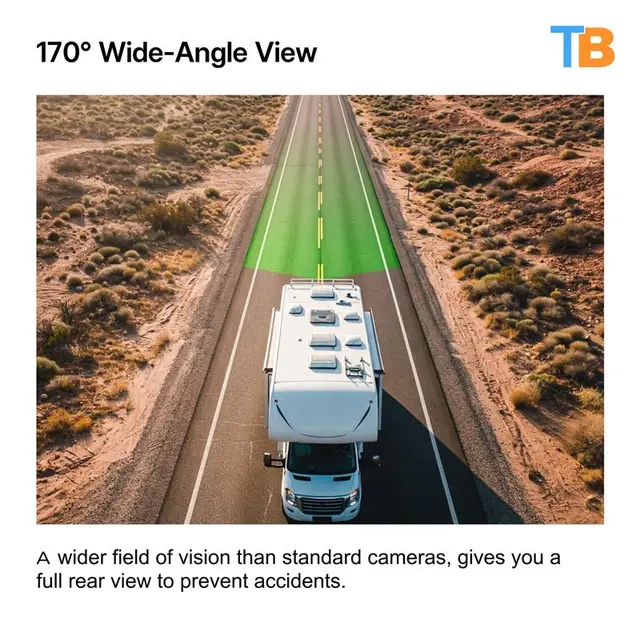
Campers often face limited visibility due to height, length, and rear design. A wireless backup camera for campers eliminates blind spots by sending real-time images directly to a dashboard monitor without the complexity of long wiring runs.
These systems support safer campground parking, smoother hitch alignment, and improved awareness on narrow or winding roads. With digital transmission, high-definition imaging, and long-range antennas, wireless solutions are more dependable than ever.
What to Look for in a Wireless Backup Camera for Campers?
1. Digital 1080P Long-Range Wireless Camera Systems
High-definition systems provide crisp details crucial for spotting obstacles, pets, or campsite equipment. Modern 1080P setups include:
- Enhanced low-latency digital transmission
- Anti-interference frequency hopping
- Long-range connectivity suitable for 30–50 ft campers
- Auto-dimming screens for night driving
These systems deliver a stable connection even in busy RV parks where multiple wireless devices operate simultaneously.
2. Dual and Quad Camera Wireless Systems
Multi-camera systems provide complete visibility around the camper. They are ideal for larger trailers and fifth wheels.
Key benefits include:
- Rear, side, and hitch-view coverage
- Split-screen monitor layouts
- Wide-angle night vision cameras
- Adjustable guidelines for tight maneuvering
A wireless backup camera for campers set up with four channels ensures all-around awareness for safer driving and parking.
3. 360° Surround View Wireless Systems
Campers seeking maximum coverage can opt for full 360° wireless solutions. These systems combine multiple camera feeds to create a top-down composite view.
They typically include:
- Four synchronized HD cameras
- Real-time stitched 360° visibility
- Recording functions for travel documentation
- Integrated parking guides for campsites and fuel stops
This technology offers unmatched clarity and spatial awareness on narrow forest roads or in tight RV resorts.
Essential Features to Consider Before Choosing a System
High-Definition Video Quality
Clear video helps drivers judge distance accurately. HD 720P and 1080P cameras enhance detail when reversing, especially when identifying objects close to the bumper or aligning with a trailer hitch.
Long-Range Digital Transmission
Campers require strong and stable signal strength. Quality systems include:
- 450–700 ft open-air transmission
- Enhanced antennas for improved reliability
- Reduced signal drop during highway driving
Stable digital connections ensure your wireless backup camera for campers performs consistently in all environments.
Night Vision Performance
Camping often involves early mornings, late arrivals, and dim lighting. Cameras equipped with:
- Infrared LEDs
- Low-lux sensors
- HDR night enhancement
provide clear visibility even in complete darkness, helping drivers avoid rocks, tree stumps, and campground obstacles.
Wide-Angle Lens Coverage
A viewing range of 120°–170° ensures maximum rear visibility without distortion. Wider coverage helps detect children, pets, and other hidden objects around the camper.
Weatherproof Construction
Outdoor camera durability is essential. Premium wireless systems use:
- IP67 or IP69K waterproof housings
- Shock-resistant casings
- UV-resistant materials
This ensures the equipment withstands rain, snow, dust, and road debris throughout extended camping trips.
Large Monitors for Clear Real-Time Display
Monitors ranging from 5 to 7 inches provide sharp, easy-to-read images. Many models include:
- Touchscreen settings
- Split-screen modes
- Customizable parking gridlines
These features streamline navigation and parking, especially at busy campgrounds.
Step-by-Step Installation Guide for Wireless Camper Backup Cameras
1. Choose the Mounting Location
Most cameras are mounted:
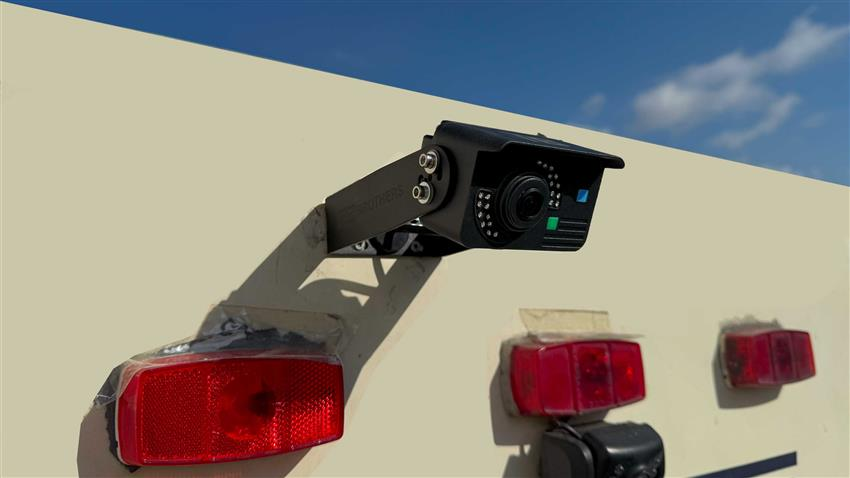
- Above the rear window
- On the bumper
- On a pre-installed Furrion or Voyager bracket
Position the camera for maximum visibility and minimal glare.
2. Connect to 12V Power
Backup cameras typically connect to:
- Rear running lights (constant power)
- Reverse lights (activate only when reversing)
Running-light connection is ideal for continuous rear monitoring while towing.
3. Install the Monitor Inside the Camper or Tow Vehicle
Dashboard mounting options include:
- Suction cup windshield mounts
- Adhesive dash pads
- Air vent clips
Ensure the monitor is within easy view without obstructing the road.
4. Pair Camera and Monitor Wirelessly
Most systems auto-pair, but some require manual pairing through:
- On-screen menu
- Channel selection
- Frequency matching
Once paired, adjust brightness, guidelines, and display format.
5. Test the Full System
Before taking your camper on the road:
- Walk behind the camper to check clarity.
- Test night vision
- Verify long-distance transmission
- Adjust camera angles as needed
A well-tested wireless backup camera for campers ensures safety during highway merging, campsite reversing, and tight turning.
Benefits of Upgrading to a Modern Wireless System
Upgrading enhances both safety and convenience:
- Faster campsite setup
- Better awareness of approaching vehicles
- Reduced risk of backing accidents
- Easier hitching and alignment
- Clear visibility in low light, rain, or dust
Modern backup camera systems drastically improve maneuvering confidence for both beginners and experienced campers.
Should You Choose a Wireless or Wired System for Your Camper?
While wired systems offer stability, wireless setups excel in:
- Easier installation
- Lower labor costs
- Fewer structural modifications
- Flexibility for two vehicles and detachable setups
For most trailer owners, a wireless backup camera for campers delivers the perfect balance of performance and convenience.
Conclusion
Choosing the right wireless camera system transforms your camper experience by improving visibility, safety, and maneuverability in every environment.
From HD imaging and long-range digital transmission to advanced multi-camera and 360° systems, today’s wireless solutions provide professional-grade clarity with simple installation. You can find the latest tech that suits your needs at TadiBrothers, you can find the ideal system.
Your camper gains dependable, real-time visibility that improves every journey, whether you’re maneuvering through a tight campsite or backing up at home.
Frequently Asked Questions
What is a good backup camera for an RV?
A good RV backup camera offers 1080P clarity, long-range digital wireless transmission, wide viewing angles, and IP67 or IP69K weatherproofing. Systems with night vision and multi-camera support provide even better visibility for larger RVs.
Do wireless backup cameras need WiFi?
No. Wireless RV backup cameras do not rely on WiFi. They use their own digital transmitter to send video directly to the monitor, ensuring a stable feed even in remote camping locations.
How do backup cameras work on campers?
Backup cameras on campers activate when powered through running lights or reverse lights. The camera sends a live wireless feed to the dashboard monitor, giving the driver real-time visibility behind the camper.
Are wireless backup cameras worth it for campers?
Yes. Wireless systems reduce installation time, avoid long wire routing, and offer reliable HD video. They are ideal for towables, trailers, and fifth wheels of all sizes.
Can I install a wireless backup camera on my camper myself?
Most wireless cameras are easy to install. Mount the camera, connect it to a 12V source, place the monitor in the tow vehicle, and pair the system. Many models auto-sync within seconds.
Do wireless backup cameras work while driving?
Yes. When connected to running lights, many systems operate continuously, allowing you to monitor traffic and maintain awareness during highway travel.