
Is your RV really ready for the road? Most owners assume yes, until something goes wrong. A solid RV maintenance checklist is what stands between a fun trip and a breakdown on the highway. We talk to RV owners at TadiBrothers, and the pattern holds up. Owners who inspect their RV before every trip are far more likely to catch small problems before they become roadside breakdowns. This guide covers what to check, plus the mistakes and warning signs most people miss.
Why This Checklist Matters
Your RV is basically a house strapped to a vehicle. That means twice the systems can fail on you. Tires, brakes, and the engine need care, same as any car. But you have also got propane lines, water tanks, and a mess of wiring to watch. Most breakdowns don’t come from one big failure. They come from something small nobody bothered to check. Maybe an underinflated tyre, a worn belt, or a cracked roof seal. A battery that hasn’t been tested since last spring. Good upkeep protects your resale value too. Buyers want to see proof the rig was actually cared for.
Pre-Trip Checklist: What to Check Before You Drive
Walk around your rig before every trip. It sounds basic, but this one habit catches most of the problems that ruin trips.
- Tire pressure, plus a look for cracks or uneven wear
- All lights working, including brake lights and turn signals
- Hitch, safety chains, and tow connections secure
- No leaks at the propane connections
- Smoke detector and carbon monoxide alarm both working
- Mirrors adjusted so you can actually see around the rig
- Engine oil, coolant, brake fluid, and windshield washer fluid checked
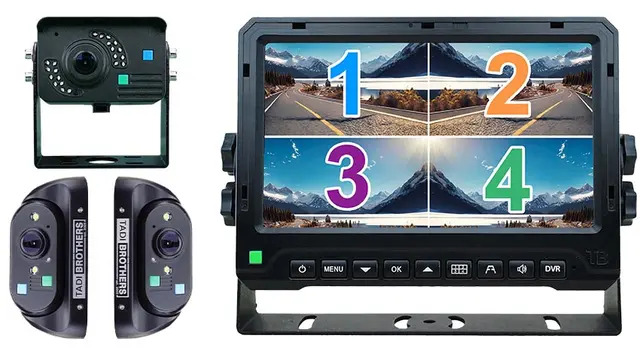
- Verify your backup camera and monitor power up correctly before leaving.
Can you see everything when you’re backing into a tight campsite? Probably not, if we are honest. Most RVs have serious blind spots. That is why so many owners add parking sensors or backup cameras for extra confidence when manoeuvring.
Monthly and Seasonal Checks
Run the generator for around 20–30 minutes under load each month. Check the battery terminals for corrosion. Take a look at your door and window seals for gaps. RVs that sit idle for weeks tend to develop their own problems, so don’t skip this.
While you are at it, test your parking sensors and backup camera too. Just make sure the picture is still clear. A few times a year, these need attention as well:
- Winterizing the water lines before that first hard freeze
- A spring roof check for cracks or soft spots
- Have the brakes and wheel bearings (where applicable) inspected by a qualified RV technician.
- Waxing the exterior and checking window seals
- Weighing the rig fully loaded, so you know it’s within limits
- Clean the backup camera lens and confirm the parking sensors are free of dirt.
Used RV Maintenance Checklist
Buying used flips the whole equation. You have no idea how the last owner treated this thing, and that’s just the truth of it. A used RV maintenance checklist needs to dig deeper than your usual routine. That is especially true for the first few months.
- Past maintenance or repair records, if the seller has any
- Every appliance tested, not just the ones you’ll use right away
- Roof and undercarriage checked closely for water damage or rust
- Existing visibility gear, like sensors or a camera, worth noting
- An independent mechanic’s inspection before you sign anything
- tyre age (DOT code)
Common Mistakes to Avoid
- Putting off tire checks until there’s already a problem on the road
- Letting the battery drain all the way during storage
- Brushing off tiny roof cracks that later become real leaks
- Forgetting the generator during long stretches of not driving
Warning Signs You Need Maintenance Now
- Odd noises while driving or braking
- Lights that flicker or dim for no clear reason
- A musty smell, or a soft spot on the ceiling or floor
- One tire wearing faster or unevenly compared to the rest
- Persistent damp smells after rain
Why Visibility Belongs on Every Checklist
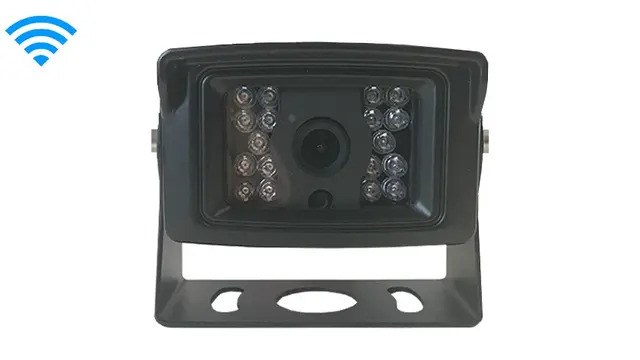
RVs are long, tall, and full of blind spots a regular car just doesn’t have. A backup camera gives you a clear view behind the rig. Add parking sensors on top, and you get an early warning. They can alert you before you scrape a bumper or clip a post. At TadiBrothers, we hear from owners constantly who wish they’d added this setup sooner. It’s almost always right after a close call in a tight spot.
Keep a Simple Maintenance Log
A written log turns this checklist into an actual habit, not a one-time thing. Jot down the date, what you checked, and anything you fixed. Some owners just keep a printed copy in the glove box. That way it travels with the rig no matter what.
So, is your rig actually ready for the next trip? Or is it just sitting there, hoping nothing goes wrong? The owners who ask that honestly, and act on it, come out ahead. They spend weekends exploring instead of waiting on a tow truck.
FAQs
1. How often should I run through this checklist?
Pre-trip items before every drive. Monthly checks once a month. Seasonal tasks maybe two to four times a year, depending on how often you’re on the road.
2. What’s the most common mistake owners make?
Skipping tire and seal checks. They’re cheap to catch early, but they get expensive fast once you ignore them.
3. Do I need a mechanic for the annual checks?
For brakes, propane, and HVAC, yes. These are safety items, and they’re worth paying someone qualified to look at once a year.
4. Is a printed checklist actually worth keeping in the RV?
Honestly, yes, it really is. A paper copy means you’ve still got it even without signal or a charged phone.