
A dash cam with night vision only earns its price under one condition. It has to turn a dark road into usable footage. Most cheap ones simply don’t. You have probably seen the ads. Crisp footage of a car at midnight, plate readable, colors true to life. Then you buy one and get a grainy mess after dark.
That gap between marketing and reality is why this guide exists. We are not naming one winner. We are walking you through what actually separates working night vision from a gimmick.
Why a Dash Cam With Night Vision Actually Matters
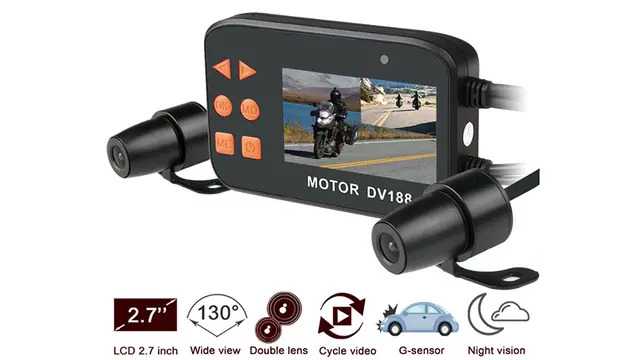
A huge share of collisions happen after sunset. Hit-and-runs and break-ins too. If your camera can’t see clearly after dark, you are losing coverage when visibility is already at its worst.
Insurance adjusters and small claims courts care about one thing. Can they actually see what happened? A camera with real clarity gives you leverage. A cheap one gives you an alibi nobody can read. We have talked to drivers who assumed any dash cam would work at night. Then their car got hit in a parking garage at 11 PM. The footage was a black rectangle with two blurry headlights. That is a hard lesson to learn, isn’t it?
What Makes Night Vision Technology Actually Work
Not all night vision tech performs the same. Budget models cut corners you won’t notice until it’s too late.
- Sensor quality – A capable image sensor can capture more usable detail in low light while keeping noise under control.
- HDR processing – Balances bright headlights against dark backgrounds so the frame doesn’t blow out.
- Wide aperture lens – A lower f-stop, like f/1.8, lets in more light before software kicks in.
- Bitrate – High resolution means nothing if compression turns detail into mush.
If a listing skips these details, that is usually a warning sign. The label is often more marketing than engineering.
Myth to drop: more megapixels does not mean better night vision. Sensor performance matters more for low-light clarity. Resolution helps preserve detail, but it can’t compensate for poor low-light performance.
Front and Rear Dash Cam With Night Vision: Do You Need Both Ends?
Think about how many nighttime incidents happen behind your car. Rear-end hits at red lights. Someone backing into you in a dark lot. A hit-and-run outside your own house.
A front and rear dash cam with night vision gives you coverage at both ends of the vehicle. That matters more after dark, since your own eyes are less reliable then too. You are building a timestamped record of what happens in front of and behind your car.
If your budget is tight, start with a strong front camera. Treat the rear as a near-future upgrade rather than skipping it.
A Simple Checklist Before You Buy
- Check the sensor spec, not just the resolution number.
- Look for HDR or wide dynamic range in the listing.
- Confirm rear-camera support if you want full coverage.
- Read real owner reviews, not just marketing photos.
- Compare warranty length, since night vision hardware works hard.
Most dash cam retailers list these specs somewhere on the product page. TadiBrothers’ listings are one place to check them against this checklist.
Once you have your checklist, compare several dash cams side by side. Look at the sensor, HDR, lens, bitrate, rear-camera support, warranty, and storage requirements before comparing price.
What We Look For at TadiBrothers
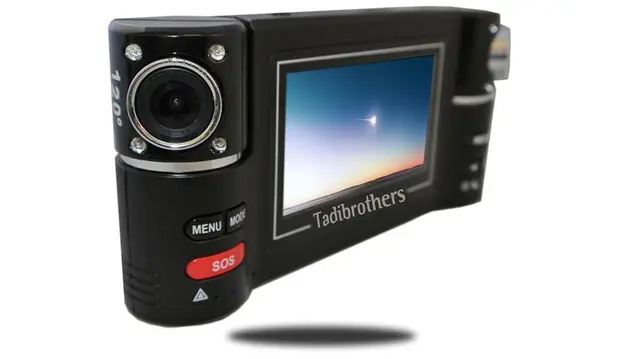
When comparing dash cams, we don’t recommend choosing based on resolution alone. We look at the combination of low-light sensor performance, HDR, lens aperture, recording quality, viewing angle, storage, and whether the rear camera is included or optional.
For drivers who spend more time on unlit roads, we put more weight on low-light image quality. For city drivers, HDR and glare handling matter more because headlights, streetlights, and dark backgrounds can appear in the same frame.
Which Night Vision Setup Is Right for You?
| If you… | Prioritize… |
| Drive mostly in cities | HDR and glare handling |
| Drive rural roads at night | Low-light sensor performance |
| Park on the street | Front + rear coverage |
| Drive for work | Reliable recording and storage |
| Want the simplest setup | Front camera with strong night performance |
| Want maximum coverage | Front + rear system |
Common Doubts Before You Buy
- Is night vision worth paying extra for? Yes, if you regularly drive at night or park in poorly lit areas. The value comes from usable footage, not the label itself.
- Will it help in a real incident? Only if footage shows plates or faces clearly.
- Do you need GPS too? Nice to have, not essential, since image quality comes first.
A dash cam with night vision that nails clarity beats one loaded with features and a blurry picture. That’s the trade-off worth remembering.
Nobody remembers the fancy app during a dispute. They remember whether the video was clear enough to show what happened. That’s the standard to use when comparing night vision dash cams. So before you buy the next camera on your list, ask yourself this. If something happened tonight, right now, in the dark, would it show you the truth? A quick browse through options like TadiBrothers’ dash cam selection is a fair place to start. Comparing a few models side by side beats guessing from a single ad.
FAQs
1. Does tinted glass hurt night vision footage?
Yes, dark tint blocks light the sensor needs, so footage gets noisier at night.
2. Is infrared night vision safe to use daily?
Infrared illumination is commonly used for interior-facing cameras because it can help the camera capture usable footage in very low light. If you are recording passengers, check the applicable privacy and recording-consent rules where you live.
3. Do I need 4K for good night vision?
Not necessarily, since sensor quality matters more than resolution once the sun goes down.