
A bad GM trailer camera setup can make even an easy trailer parking job feel stressful fast. One black screen. One delayed signal. One missed blind spot. That is all it takes to turn a calm towing trip into a frustrating afternoon.
Most trailer camera problems do not start on the road. They start much earlier with poor installation, weak wireless range, bad compatibility, or cheap hardware that was never designed for long-distance towing.
And honestly, many drivers only realize this after their first close call.
If you tow campers, cargo trailers, horse trailers, or work equipment, visibility matters more than you would think. Mirrors help, sure. But there are moments when mirrors alone simply are not enough such as times when one is carrying a large load.
That is why more truck owners are upgrading to dedicated trailer camera systems from Tadibrothers built specifically for real towing conditions.
Let’s look at the six biggest problems drivers face and how to avoid them before your next trip.
Why GM Trailer Camera Problems Happen So Often
Most camera failures are not actually caused by the truck.
That surprises a lot of people.
The real causes are usually:
- weak signal strength,
- poor camera placement,
- wiring mistakes,
- bad weather protection,
- outdated camera systems,
- or compatibility issues during a GM trailer camera install.
And modern trailers create extra challenges too.
Long enclosed trailers block wireless signals. Road vibration slowly loosens connectors. Dust and rain attack exposed wiring every single trip.
A system that works fine on a small utility trailer may struggle badly on a 35-foot RV.
That is why trailer-specific camera systems matter.
The camera setups inside the trailer collection at Tadibrothers are designed for towing environments instead of basic passenger car reversing. That difference becomes obvious once you spend real time towing.
1. GM Trailer Camera Signal Keeps Cutting Out
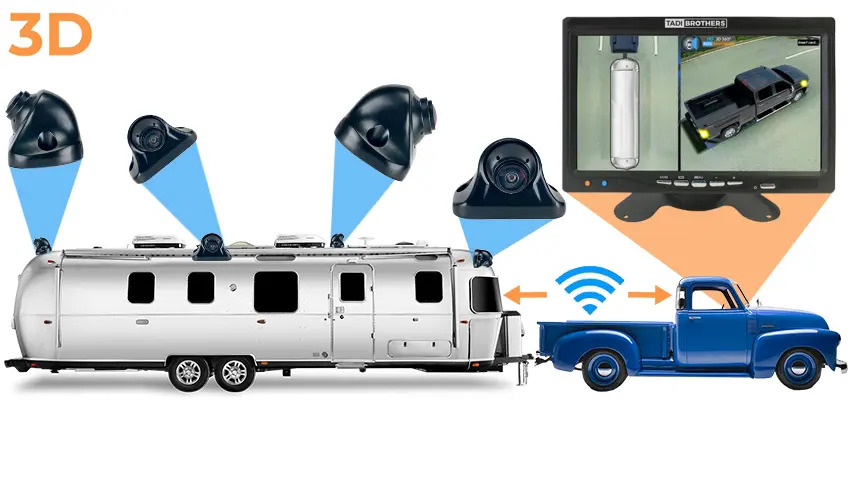
This is probably the most common complaint drivers have.
The image freezes randomly. The screen flickers. Sometimes the camera disconnects completely while driving.
Usually, it happens at the worst moment possible.
You may notice it:
- while reversing into a campground,
- backing near another RV,
- parking beside a fuel pump,
- or towing through heavy rain.
Many cheaper wireless systems struggle with:
- long trailers,
- enclosed metal walls,
- highway vibration,
- and signal interference.
Some Silverado owners even report seeing “No Signal” warnings after only a few minutes of driving.
That creates immediate stress because you stop trusting the screen.
Once trust disappears, you start relying only on mirrors again.
A stronger digital wireless system helps prevent this. Especially for:
- fifth wheels,
- toy haulers,
- horse trailers,
- enclosed cargo trailers.
The longer the trailer, the more signal quality matters.
A lot of drivers buy based on price first. Then they discover the cheap system cannot maintain a stable connection past 40 feet.
That mistake gets expensive fast.
2. Black Screen Problems During Reversing
A black screen during reversing feels like somebody suddenly covered your eyes.
It happens more often than people expect.
Sometimes the camera works perfectly in your driveway. Then later, the display suddenly says:
- “No Video”
- “Camera Unavailable”
- “No Accessory Connected”
This issue can come from:
- loose wiring,
- weak power supply,
- bad adapters,
- infotainment syncing problems,
- or software calibration issues.
And yes, some truck model years are more sensitive than others.
Imagine reversing a large camper into a crowded campground at night. You finally line everything up. Then the screen goes dark halfway through the turn.
Your stress level jumps instantly.
This is why stable hardware matters more than flashy marketing features.
Reliable systems from Tadibrothers are built for continuous towing use instead of occasional backup assistance. That matters because towing puts much more strain on electronics than normal daily driving.
3. GM Trailer Camera Install Mistakes That Create Blind Spots
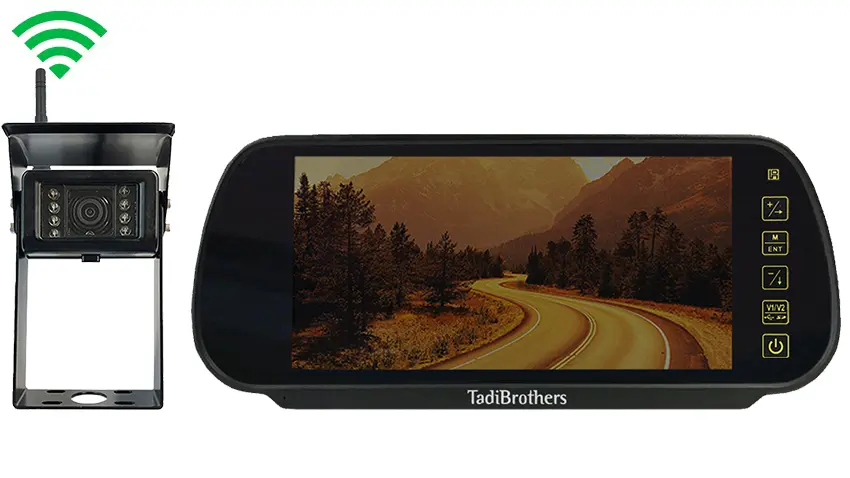
Even a high-quality camera can perform badly if the placement is wrong.
This happens constantly during a rushed GM trailer camera install.
One common mistake is mounting the camera too low. That creates large blind spots directly behind the trailer.
Another mistake is placing it where dirt and road spray collect fast. After one rainy drive, visibility becomes terrible.
Good placement should help you clearly see:
- trailer corners,
- rear traffic,
- hitch alignment,
- pedestrians,
- low obstacles.
Not just the ground directly behind the trailer.
A lot of experienced RV owners actually test camera angles several times before tightening the mount fully.
That extra effort matters.
Because once you tow with a bad viewing angle for several months, every parking job feels awkward.
You should also think about how you tow most often.
Do you:
- reverse into campsites often?
- tow alone regularly?
- park in tight loading areas?
- back down steep boat ramps?
Your towing habits affect the ideal mounting position more than people realize.
4. Camera Calibration Problems on Silverado and Sierra Trucks
This is a growing issue on newer trucks.
Many drivers experience:
- failed calibration messages,
- inaccurate trailer tracking,
- transparent trailer view problems,
- delayed camera activation.
Some systems struggle after software updates. Others fail because trailer dimensions were entered incorrectly during setup.
Calibration problems confuse many first-time users.
People often think the camera itself is defective when the real issue is incorrect trailer configuration.
For example:
- trailer length settings matter,
- camera alignment matters,
- mounting height matters,
- software syncing matters.
One small setup error can throw everything off.
This becomes even more frustrating when towing long campers or enclosed cargo trailers where visibility is already limited.
A careful GM trailer camera install reduces many of these issues early.
Sometimes, spending slightly more on a towing-specific camera system saves hours of troubleshooting later.
5. Weather Damage Slowly Destroys Trailer Cameras
Trailer cameras live outside full time.
That sounds obvious. But many buyers still underestimate how harsh towing conditions really are.
Think about what your trailer faces:
- highway rain,
- road salt,
- dust,
- heat,
- freezing temperatures,
- pressure washing,
- direct sunlight.
Over time, weak camera housings begin to fail.
Usually the warning signs start small:
- fog inside the lens,
- flickering video,
- blurry images,
- random blackouts.
Then eventually the camera stops working completely.
A lot of cheaper systems look fine online. But after one winter season, the seals weaken and moisture gets inside.
That is why waterproof ratings matter so much.
The heavy-duty systems inside the trailer category are built for rough outdoor towing environments instead of short-term passenger vehicle use.
Because honestly, nobody wants to troubleshoot wet trailer wiring during a storm.
6. Compatibility Problems Between GM Trucks and Trailer Cameras
This issue frustrates many buyers before installation even starts.
Not every trailer camera works correctly with every GM truck.
Compatibility issues may include:
- screen detection failures,
- adapter mismatches,
- connector problems,
- power supply conflicts,
- display syncing issues.
Many drivers discover this only after buying the system.
That is why checking compatibility before purchase matters so much.
You should always confirm:
- Truck model year
- Trailer type
- Trailer length
- Wired or wireless preference
- Existing display setup
- Number of cameras needed
A setup for a small utility trailer will not work the same way as a 40-foot fifth wheel.
Commercial towing setups often need much stronger systems than weekend campers.
This is where speaking with trailer camera specialists helps.
At Tadibrothers, many systems are designed specifically around real towing applications instead of generic backup camera marketing.
That makes the buying process much less confusing.
How To Choose a Reliable GM Trailer Camera System
Most people focus on screen size first.
But the real priorities should be:
- signal stability,
- waterproof durability,
- night vision quality,
- image response speed,
- towing range,
- installation flexibility.
You should also ask yourself:
“Will this still work well after months of towing?”
That question filters out many weak systems quickly.
A reliable GM trailer camera should make towing feel calmer, not more stressful.
And if you tow often, the right setup becomes less of an accessory and more of a daily safety tool.
Especially when reversing alone.
Especially at night.
Especially with a long trailer behind you.
Because once visibility disappears at the wrong moment, even experienced drivers feel the pressure immediately.
FAQs
1. Why does my GM trailer camera keep losing signal while driving?
This usually happens with longer trailers or weaker wireless systems. Metal trailer walls, highway vibration, and poor antenna placement can all interfere with the connection once you pick up speed.
2. Can I do a GM trailer camera install myself?
In many cases, yes. Wireless systems are often easier for DIY installation. Still, camera angle and compatibility matter more than most people expect, so rushing the setup usually causes problems later.
3. Do wireless trailer cameras actually work on RVs and long campers?
Some do. Some really don’t. The difference mostly comes down to signal strength and build quality. Short-range systems may work perfectly in a driveway but struggle badly on larger trailers once you hit the road.
4. Why does my trailer camera screen suddenly go black?
Loose wiring, bad adapters, moisture damage, or infotainment syncing issues are common causes. Sometimes the camera still has power, but the truck simply stops recognizing the connection properly.
5. Is a wired trailer camera better than wireless?
For very long trailers, wired systems are often more stable. But modern digital wireless setups have improved a lot and are much easier to install for everyday towing setups.
6. How high should a trailer camera be mounted?
High enough to capture the rear corners and traffic behind the trailer, but not so high that distance becomes hard to judge. Many people mount the camera too low and end up creating blind spots without realizing it.
7. When should I replace my trailer camera?
If the image flickers often, lags during reversing, fogs up inside the lens, or cuts out randomly, the system is probably reaching the end of its useful life. Most drivers wait too long before upgrading.