
Driving in rain safety sounds simple until you are actually in it. One minute the road feels normal. Next minute everything turns softer, blurrier, and slightly less predictable than you remember.
Most people don’t think much about rain driving until something small catches them off guard. A car ahead brakes a bit later than expected. The road reflects headlights in a strange way. Or the tires feel like they are not gripping the same anymore.
It is not panic that gets people. It is that tiny delay in how things respond.
At Tadibrothers, we often see drivers looking for ways to reduce that uncertainty. Something like GPS with Backup Camera Systems quietly helps in those moments when visibility drops, especially when you are reversing or trying to judge space in heavy rain.
Rain driving is not about being afraid. It is more about noticing things you usually ignore.
Tip 1: Give Yourself More Time Than You Think You Need
You know what’s funny? Most drivers already “know” how to drive in rain. Slow down, keep distance, use headlights. It all sounds familiar. But then the rain actually gets heavy, and everything feels slightly different than the advice in your head.
The road doesn’t shout warnings. It just becomes less clear.
Sometimes you only notice it when your brain goes, “wait… that didn’t feel right.”
That’s usually the moment where awareness matters more than skill.
Even something like GPS with Backup Camera Systems from becomes less about tech and more about reducing those little moments of doubt when you are reversing or squeezing into a tight space.
Tip 2: Stop Trusting Familiar Roads Too Much
There’s also this habit people don’t realize they have. They trust familiar roads too much.
Same route. Same turns. Same confidence.
Then rain shows up and quietly changes the grip, the timing, the visibility. But your brain is still driving like nothing changed.
That mismatch is where most mistakes happen.
It is not dramatic. It is subtle. You go to brake a little later than you should. Or you take a curve at your usual comfort speed, and suddenly it feels… not quite right.
And it is usually not until after that moment that you adjust.
Night rain is a different story altogether.
Tip 3: Take Night Rain More Seriously
If daytime rain is “hard to see,” night rain is more like “are you sure that’s even the same road?”
Headlights bounce off wet surfaces and create glare that messes with distance. Things appear later than they should. Sometimes you think a car is farther away, and it is not.
That is where small habits start to matter more than anything else.
Keeping your windshield clean sounds almost too basic to mention, but it helps more than people admit. Same with using low beams instead of high beams. High beams just bounce right back at you in rain.
You end up trusting what you can confirm, not what you think you see.
That shift alone changes how you drive at night in rain.
Tip 4: Learn the Early Signs of Hydroplaning
Hydroplaning is one of those things people hear about but don’t expect to actually feel.
It’s strange because it doesn’t always feel like a big event. Sometimes it is just a light, floating sensation. Steering feels slightly disconnected. The road feels softer than it should.
For a second, you realize the tires are not fully gripping anymore.
Most people only recognize it after it happens.
And the tricky part is, it doesn’t always warn you loudly.
You just have to ease off gently instead of reacting sharply. That small decision makes a big difference.
Tip 5: Use Better Visibility Tools When Conditions Get Bad
One thing people don’t talk about enough is how much harder reversing becomes in rain.
Parking lines fade. Reflections get weird. Sometimes even a simple backing-up move feels like guesswork.
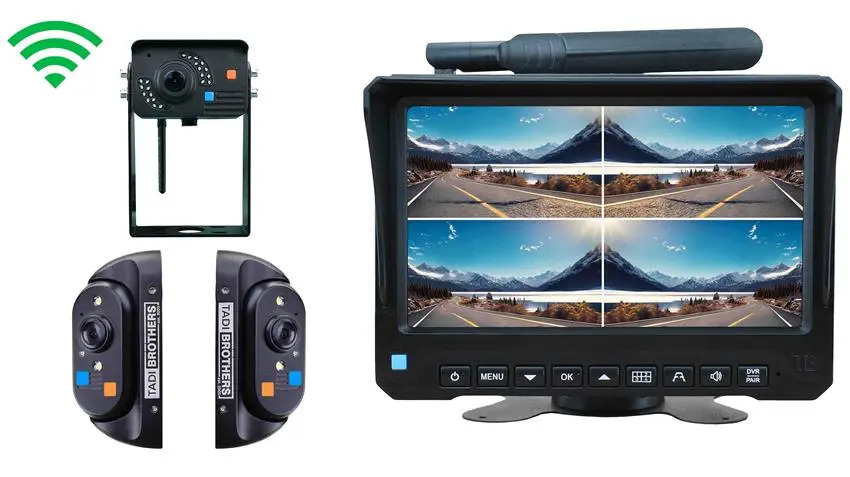
That is where systems like GPS with Backup Camera Systems from quietly make things less stressful. Not because they “fix” rain, but because they remove some of the uncertainty when your visibility is already compromised.
At Tadibrothers this is something we hear often from drivers. Not “this is advanced tech,” but more like “this just makes things feel calmer.”
And that is probably the real value.
The interesting part about rain driving is that you usually don’t notice improvement immediately.
You just stop having close calls.
You stop second-guessing corners. You stop reacting too late. You stop feeling that small spike of tension every time visibility drops.
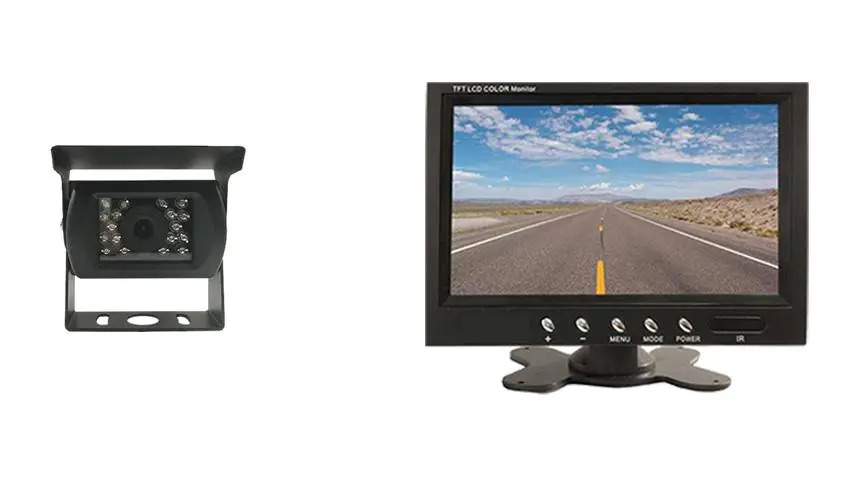
It becomes less about control and more about comfort in uncertainty.
And maybe that’s the real idea behind driving in rain safety. Not mastering it perfectly. Just getting a little better at staying steady when everything around you isn’t.
So next time rain starts falling harder than expected, you might notice something simple.
Not everything changes outside.
Some of it changes in how you respond inside the car.
Small Habits That Make Rain Driving Easier
If we strip everything down, rain driving really comes back to a few quiet adjustments.
Nothing fancy. Nothing complicated.
Just things like:
- giving yourself more space than usual, even if it feels “too much”
- braking earlier than your instincts suggest
- avoiding sudden lane moves when visibility drops
- slowing down before curves, not inside them
- treating puddles like unknowns, not shortcuts
And you don’t do all of this perfectly. Nobody does. It’s more like constant small corrections while you drive.
That’s what makes rain different. It keeps asking you to pay attention.
FAQs
1. Why is driving in rain more risky than normal driving?
Because everything slows down slightly, from braking to visibility. Most drivers don’t notice it immediately, which is where small mistakes start to build up.
2. What is the most common mistake people make in rain?
They drive like conditions are only “a little worse” instead of fully changed. That small mindset gap leads to late braking or overconfidence on wet roads.
3. How do I know if I’m starting to hydroplane?
It usually feels like the steering gets light or slightly disconnected. The car may feel like it is gliding instead of gripping the road properly.
4. Is night driving in the rain much worse?
Yes, because glare from headlights and reduced visibility make it harder to judge distance. Things often appear later than expected, which reduces reaction time.