
A fleet dash cam earns its cost back the first time it settles a dispute in your favor. Commercial vehicles are often perceived as being at fault after a crash simply because of their size. Without video evidence, proving exactly what happened can become much more difficult. Without footage, defending your driver’s side of the story becomes much harder. A dash cam gives you evidence instead of explanations.
So here are the five features that actually matter, the ones turning a fleet dash cam from a gadget into something that genuinely settles disputes.
Feature 1: GPS and Timestamp Data Tied to the Footage
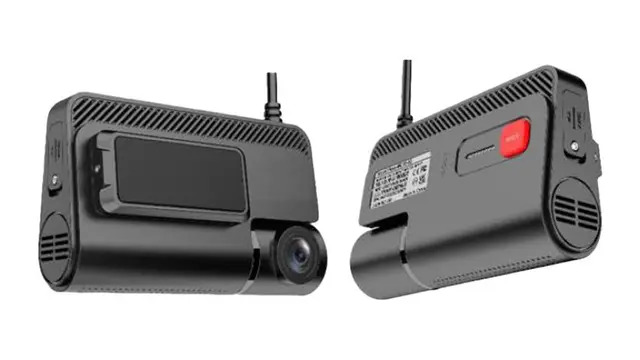
The video alone tells part of the story. Video paired with exact location and time tells the whole story, and that combination is what holds up when someone’s version of events doesn’t match yours.
Someone claims your driver was speeding through a school zone, or hit their car in a lot they swear you weren’t even at. GPS-tagged footage settles that in minutes instead of a week of back-and-forth. It is the difference between “we believe our driver” and “here’s exactly where he was at 2:47 PM,” and the second version ends the conversation fast.
Feature 2: Event-Triggered Recording With a G-Sensor
Not every fleet needs footage running every second, that is a lot of storage for not much extra value. What matters is catching the moments that count, hard braking, sudden swerves, collisions.
A G-sensor locks footage instantly when it detects unusual force, so that clip doesn’t get overwritten later. Worth checking a few things:
- Does it trigger on hard braking and side impacts, or just one direction?
- How much buffer footage saves before and after the trigger?
- Can drivers manually flag a moment too, in case something happens that doesn’t register as a jolt?
Get this right and you are not scrubbing through hours hoping to find the ten seconds that matter.
Feature 3: Fast Access to Footage, Not Just Storage
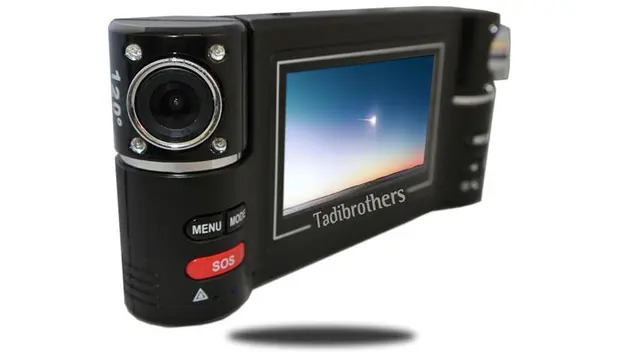
A camera recording great video but burying it on a card that has to be physically removed isn’t much help when you need to respond to a claim within days. When footage is stored somewhere that is easy to retrieve, cloud-uploaded or easily downloaded locally, reviewing a specific incident takes minutes instead of a hunt through hours of loop recording.
Fast retrieval matters more than people expect. Many fleet operators report that faster access to footage shortens claim investigations and reduces time spent resolving disputes. Video-based safety programs have also been shown to improve driver coaching and reduce risky driving behaviors over time.
Feature 4: Forward-Facing Coverage, With Dual-Facing as an Option
| Setup | Covers | Good Fit For |
| Forward-facing only | Road ahead, other vehicles | Most fleets, higher driver buy-in |
| Dual-facing | Road plus cab interior | Seatbelt checks, coaching, privacy-sensitive ops |
A forward-facing camera handles most disputes, collisions, sudden stops, and other drivers’ behavior. Dual-facing adds an interior view, useful for coaching, though some drivers push back on being filmed inside the cab. If driver buy-in matters to your operation, starting with forward-facing only is usually the smoother path.
Feature 5: Night Vision and Weatherproof Hardware That Actually Holds Up
Disputes don’t only happen in daylight. A camera with weak low-light performance results in nearly useless footage after dark, right when clarity matters most.
Look for a camera with a clearly specified infrared night vision range instead of vague “night vision” marketing claims. On the housing side, an IP69K rating specifically handles heavy water exposure and pressure washing. A camera that fails after one hard winter isn’t saving money, it’s delaying the cost of buying a better one later, usually right after the incident where you actually needed it.
Fleet Dash Cam Installation Doesn’t Have to Be Complicated
A lot of smaller fleets assume fleet dash cam installation means scheduling professional installation for every vehicle. For some enterprise systems, sure. Many plug-and-play systems can be installed relatively quickly, while larger multi-camera systems naturally require more time.
Managing a handful of vehicles rather than hundreds? Worth asking whether you need the complexity of a full telematics platform, or whether a straightforward dash cam setup covers what you actually need minus the ongoing subscription.
Choosing What Actually Fits Your Fleet
Bigger telematics platforms are built for fleets running hundreds of vehicles, and that scale comes with real complexity and monthly costs a smaller operation doesn’t need. TadiBrothers takes a simpler approach, offering dash cam systems designed for commercial vehicles and small fleet operations, specifically for businesses that want solid protection without signing an enterprise contract they will never fully use.
A well-chosen fleet dash cam doesn’t need AI coaching dashboards or complicated subscriptions to do its actual job, giving you clear, retrievable proof when a dispute lands on your desk. Sometimes simpler really is the smarter buy.
Add it up and the pattern is clear. No GPS means disputes drag longer. No event triggers means footage gets buried. Slow access means scrambling right when speed matters. Weak night vision or flimsy hardware fails you exactly when needed most. A fleet dash cam built around these five features protects your drivers, your budget, and your peace of mind. TadiBrothers’ dash cam lineup covers what smaller fleets actually need, without the bloated feature set built for operations ten times your size.
So, if a dispute landed on your desk tomorrow, would your current setup actually back you up?
FAQs
1. Do I need a monthly subscription?
Depends on the system. Cloud-connected enterprise platforms usually require one, simpler dash cam setups often don’t.
2. How long does footage typically stay stored?
Varies by storage size and loop settings, usually days to weeks on local storage, longer with cloud backup.
3. Is fleet dash cam installation something I can do myself?
For most standard setups, yes, especially plug-and-play models. Complex multi-camera systems sometimes benefit from professional help.