
A Jeep wrangler backup camera install feels simple at first. Until you actually start planning it. Then you realize this is not a normal vehicle, and nothing sits where you expect it to.
One minute you are thinking “I’ll just mount a camera and be done.”
Next minute you are staring at the spare tire, tailgate hinge, and wiring path wondering what works best.
That is usually where Jeep owners pause.
At Tadibrothers, we see the same pattern often. Drivers want clarity before they drill, route, or connect anything. A system like the 360 Degree Jeep Camera System in 3D for Surround View with Integrated DVR from https://www.tadibrothers.com/products/360-degree-jeep-camera-system-in-3d helps because it removes a lot of guesswork. You are not stuck with one angle. You actually see the full space around the Jeep.
But installation still decides everything.
Not the product alone.
Why Jeep Wrangler Backup Camera Install Is Never “One Size Fits All”
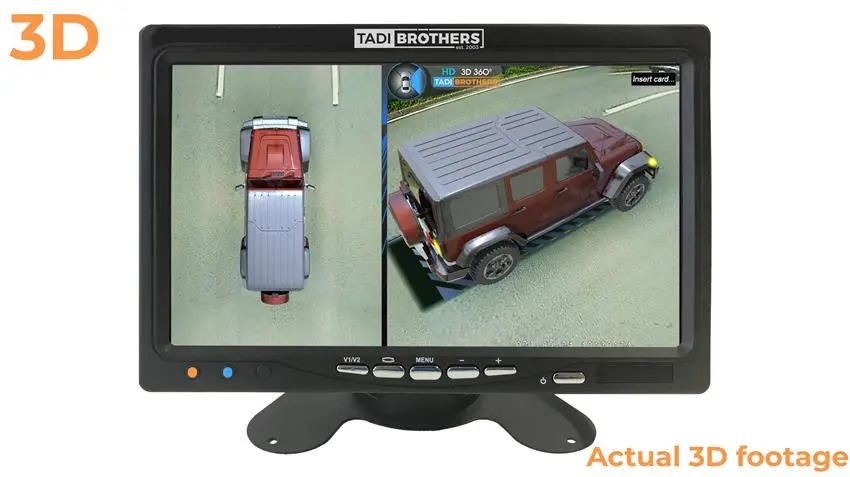
A Jeep is built differently. That sounds obvious, but most installation mistakes happen because people forget it mid-process.
The spare tire blocks rear visibility. The tailgate moves every time you open it. Off-road driving shakes everything more than a regular SUV.
So a Jeep wrangler backup camera install is less about “where it fits” and more about “what stays stable when the Jeep moves.”
Even a good camera fails if it is placed without thinking about vibration and angle shift.
That is where many installs quietly go wrong.
The 360 Degree Jeep Camera System in 3D for Surround View with Integrated DVR from Tadibrothers is designed for wider coverage, which helps reduce dependence on a single rear point. That matters more than people expect when driving on uneven terrain.
Mistake Most Jeep Owners Make Before They Even Start Installing
The biggest mistake is rushing the placement decision.
Most people pick a spot that looks clean instead of what actually works while driving.
Then they regret it later.
Because Jeep visibility changes depending on:
- tire size
- lift kit height
- bumper type
- spare tire mount style
A Jeep wrangler backup camera install should start with one simple question.
What do you actually struggle to see when reversing?
Not what looks “standard.”
That answer usually points to a very different mounting location.
Jeep Wrangler Backup Camera Wiring Is Where Most Problems Start
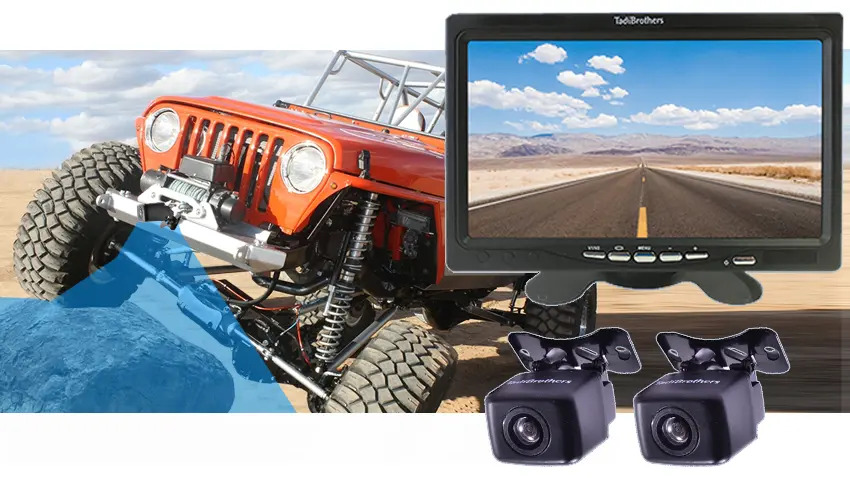
This is the part people underestimate.
Everything looks fine on day one. The camera works. The screen looks good. The install feels complete.
Then a few weeks later something starts acting up.
A flicker here. A delay there. Sometimes the signal drops when you hit rough roads.
That usually points back to Jeep wrangler backup camera wiring.
Jeep tailgates move constantly. That movement slowly stresses poorly secured wires. Add heat and vibration from off-road driving, and small wiring mistakes become bigger issues later.
A few things matter more than people realize:
- wiring near hinge points must have slack, not tension
- cables should not sit against metal edges
- vibration zones need extra protection
- grounding must stay stable even after repeated tailgate use
The 360 Degree Jeep Camera System in 3D for Surround View with Integrated DVR from Tadibrothers can handle tough environments, but wiring still decides long-term stability.
It is usually not the camera that fails first.
It is the connection.
Where You Mount the Camera Changes Everything More Than the Camera Itself
Most people assume resolution matters most.
In reality, placement matters more.
A slightly better camera in the wrong position will always feel worse than a standard camera placed correctly.
Jeep owners often choose between:
- spare tire mount
- bumper mount
- license plate mount
Each has tradeoffs.
Spare tire mounts give height but can shift angle slightly.
Bumper mounts feel stable but may sit too low off-road.
License plate mounts are simple but can get blocked depending on tire size.
This is where a system like the 360 Degree Jeep Camera System in 3D for Surround View with Integrated DVR from Tadibrothers becomes useful. It reduces dependence on a single view, which makes placement mistakes less painful.
Still, bad placement will always show up later.
Usually when you need the camera most.
The Testing Step Most People Skip (And Regret Later)
Most installs are tested in calm conditions.
Driveway. Parking lot. Maybe a quick reverse.
Then reality hits later.
A proper Jeep wrangler backup camera install should be tested in the situations you actually drive in:
- tight parking garages
- uneven terrain
- night reversing
- rain or wet roads
- steep driveways
Because that is where weak installs show themselves.
Sometimes the camera looks fine during the day but struggles at night.
Sometimes the angle looks perfect until you hit a slope.
Sometimes everything works until vibration kicks in on a trail.
That is the part most guides skip completely.
Do You Actually Need a 360 System for a Jeep?
This depends on how you use your Jeep.
If you only drive in cities, a basic camera might be enough. But Jeep life is rarely that clean.
You deal with blind spots on trails. Tight angles in parking lots. And situations where you wish you could see everything at once.
That is where a system like the 360 Degree Jeep Camera System in 3D for Surround View with Integrated DVR from Tadibrothers starts to feel less like an upgrade and more like a safety layer.
Instead of thinking “what’s behind me,” you start thinking “what’s around me.”
That shift changes how confident you feel while reversing.
When Install Feels Easy But Reality Is Not
Most Jeep installs feel fine in the beginning.
Everything powers on. Screen works. Camera feeds look clear.
But the real test comes later. After vibration. After rain. After a few rough drives. That is when installation quality shows itself.
A Jeep wrangler backup camera install is not really about finishing the setup. It is about making sure it still works when conditions are not perfect.
Because Jeeps are rarely driven in perfect conditions. That is exactly the point.
Final Thought That Most Drivers Only Realize Later
Most people think they are installing a camera for parking.
But Jeep owners usually end up using it everywhere else too.
On trails. In tight turns. While reversing in places where mirrors stop helping. And at some point, you stop asking if the camera is useful. You start noticing how often you would have missed something without it. So the real question is not whether a Jeep wrangler backup camera install is worth doing carefully. It is whether you want to keep relying on guesswork in situations where visibility already disappears faster than you expect.
FAQs
1. Is a Jeep wrangler backup camera installation difficult for beginners?
It’s not extremely hard, but Jeep design makes it tricky. The spare tire, tailgate movement, and wiring path all need extra attention compared to normal vehicles.
2. What is the most common mistake during Jeep camera installation?
Most people rush the placement. They mount it where it looks clean instead of where it actually gives a usable rear view while driving.
3. Why does Jeep wrangler backup camera wiring fail over time?
Because Jeep tailgates move a lot. If the wiring has no slack or protection near hinges, vibration slowly loosens or damages the connection.
4. Do I really need a 360 camera system for a Jeep?
Not always, but it helps a lot if you off-road or park in tight spaces. It reduces blind spots that a single rear camera cannot cover.