
A reliable Bluetooth backup camera can make towing, parking, and reversing feel far less chaotic, especially when mirrors stop giving you the full picture. One clean rear view can save you from clipped curbs, crooked trailer parking, or those painfully slow campground reverses where everybody nearby suddenly becomes an audience.
Most drivers only realize how stressful blind spots are after one bad experience.
Maybe you backed too close to a fuel station pole. Maybe your trailer drifted harder than expected while reversing. Or maybe somebody had to jump out and guide you because you simply could not see enough behind the RV.
That usually becomes the turning point.
At Tadibrothers, backup camera systems are designed for real-world towing and RV visibility problems instead of simple passenger car parking. That matters because trucks, campers, trailers, and motorhomes create a completely different driving experience once reversing enters the picture.
Let’s break down what actually matters before buying one.
What Is a Bluetooth Backup Camera?
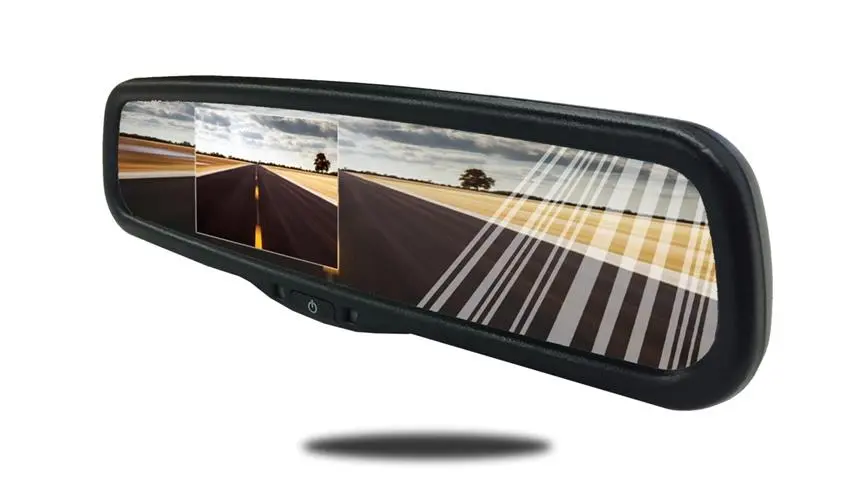
This is where many buyers get confused.
A lot of products advertised as Bluetooth cameras are actually using:
- WiFi,
- digital wireless transmitters,
- or hybrid wireless systems.
Bluetooth on its own usually cannot handle long-range live video transmission reliably.
That surprises people because the term sounds simple.
Most drivers just want:
“a wireless camera without complicated wiring.”
That is fair.
The real goal is not technical wording. The real goal is dependable visibility while reversing, towing, or parking.
A good wireless system should provide:
- stable signal strength,
- smooth video,
- clear night vision,
- easy installation,
- reliable long-range performance.
The systems inside the Back up camera collection at Tadibrothers are designed specifically for towing environments where signal strength and visibility matter much more than flashy marketing labels.
Why Truck and RV Drivers Need Better Rear Visibility
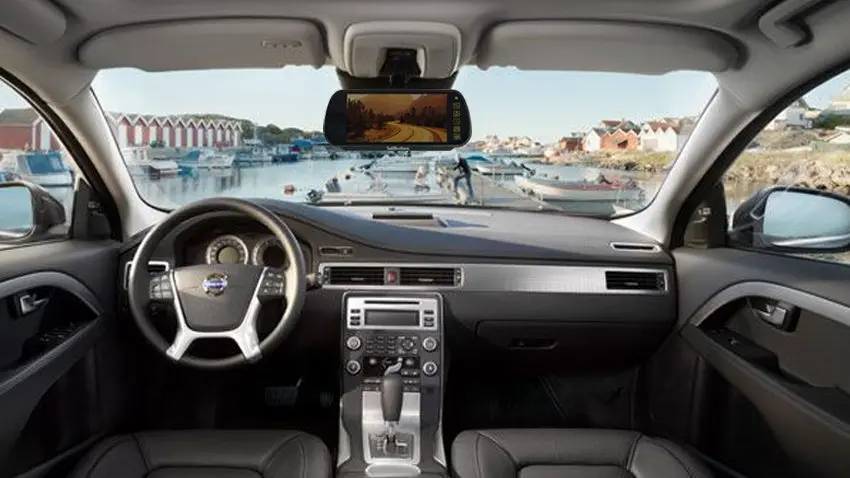
Large vehicles create blind spots that mirrors alone simply cannot solve.
You notice this immediately with:
- lifted trucks,
- fifth wheels,
- enclosed cargo trailers,
- Class A motorhomes,
- long campers.
The longer the setup becomes, the more rear visibility disappears.
Reversing can become stressful very quickly.
A lot of first-time RV owners underestimate this. They assume mirrors will handle everything until they arrive at a crowded campsite after sunset and suddenly reversing feels like trying to thread a needle wearing oven mitts.
That changes your perspective quickly.
Good camera systems reduce that pressure.
They help drivers:
- monitor trailer corners,
- judge distance,
- see low obstacles,
- reverse more confidently,
- avoid blind spot surprises.
Especially during:
- nighttime parking,
- rainy weather,
- campground reversing,
- crowded truck stops.
Once you tow regularly, rear visibility stops feeling optional pretty quickly.
1. Easy Installation Is Why Many Drivers Upgrade
This is probably the biggest reason wireless systems keep growing in popularity.
People do not want complicated installs anymore.
Traditional wired cameras often require:
- dashboard removal,
- cable routing,
- drilling,
- trailer wiring,
- wall disassembly.
That can turn into an exhausting weekend project fast.
Wireless systems simplify the process dramatically.
Many newer systems now support:
- quick pairing,
- magnetic mounts,
- suction mounting,
- plug-and-play monitors,
- DIY installation.
That flexibility matters a lot for:
- older trucks,
- RVs,
- horse trailers,
- work vans,
- travel trailers.
Many people simply want something that works without spending six hours crawling under a vehicle with zip ties and a flashlight.
The easier the setup feels, the more likely drivers are to actually use the system consistently.
2. Signal Delay Problems Drivers Rarely Expect
This issue frustrates people fast.
Some cheaper wireless systems have noticeable delay between real movement and the screen display.
Maybe only half a second.
But during reversing, even small lag matters.
You turn the wheel. The trailer reacts. The camera updates late. Suddenly you overcorrect and the whole parking job becomes awkward.
A lot of drivers describe it like trying to stream a bad internet video while parking a 9,000-pound trailer.
Not exactly relaxing.
Weak systems also struggle with:
- frozen images,
- signal dropouts,
- black screens,
- interference,
- long trailer distances.
Longer RVs expose these problems quickly.
Especially enclosed trailers where metal walls interfere with wireless signals.
A dependable system should feel smooth enough that you stop thinking about the technology completely.
That is usually the real sign of quality.
3. Night Vision Separates Cheap Cameras From Good Ones
Most camera systems look decent in daylight.
That hides a lot of problems.
Nighttime is where weaker systems start falling apart.
Drivers suddenly notice:
- grainy video,
- washed-out images,
- heavy glare,
- weak contrast,
- limited visibility range.
Towing at night changes everything.
Campgrounds get darker than expected. Rain reflects headlights everywhere. Fuel stations create strange shadows. Tight reversing spaces feel even smaller after sunset.
A weak camera becomes almost useless in those moments.
The best bluetooth backup camera systems focus heavily on low-light visibility because nighttime reversing is where drivers need confidence most.
Strong infrared night vision helps drivers:
- see trailer edges,
- monitor blind spots,
- avoid low obstacles,
- reverse safely during storms or darkness.
That difference becomes obvious very quickly during real towing trips.
Especially after a long drive when mental fatigue already kicks in.
4. Bluetooth Backup Camera vs WiFi Systems
This topic creates a surprising amount of confusion online.
Many people search specifically for a:
“Bluetooth backup camera”
But most modern systems actually rely more heavily on WiFi or digital wireless transmission.
Here is the important part:
The technical label matters less than real-world reliability.
Drivers should care more about:
- signal stability,
- image clarity,
- range,
- weather durability,
- response speed.
Not just whether the packaging says Bluetooth.
Some phone-connected systems work well for smaller vehicles. Others struggle badly with:
- larger trailers,
- RVs,
- highway interference,
- long-distance towing.
This is why truck and RV owners usually need stronger wireless systems than regular passenger cars.
The longer the trailer, the more demanding the signal becomes.
Many buyers learn this the hard way after trying cheaper short-range systems first.
5. Phone-Based Cameras vs Dedicated Monitors
Phone-connected camera systems sound convenient at first.
Sometimes they are.
People like:
- reduced dashboard clutter,
- easier setup,
- app-based viewing,
- smaller hardware.
But phone-only systems also create frustrations drivers rarely expect.
Phones:
- overheat,
- get glare,
- lose battery,
- disconnect,
- receive notifications during reversing.
That gets annoying quickly while towing.
Dedicated monitors usually provide:
- faster startup,
- better brightness,
- larger visibility,
- more stable viewing,
- fewer distractions.
Especially for:
- RV owners,
- commercial drivers,
- trailer towing,
- long-distance travel.
A lot of drivers who begin with phone-based systems eventually switch to dedicated monitors after enough frustrating parking situations.
Especially during hot weather.
6. Common Wireless Backup Camera Problems
Most buyers focus heavily on features before purchase.
But real-world problems matter more.
Common issues include:
- Weak signal range
- Camera freezing
- Blurry night images
- Delayed video response
- Rain or moisture damage
- Weak magnetic mounting
These issues usually appear at the worst possible time.
Like reversing after dark at a packed campground while somebody impatiently waits behind you.
That is why durability matters so much.
The heavy-duty systems available through Tadibrothers are designed specifically for towing environments where weather, vibration, long distances, and constant outdoor exposure create much tougher conditions than everyday passenger cars experience.
That difference becomes very noticeable after months of real use.
What To Look For Before Buying a Bluetooth Backup Camera
Before buying any system, think honestly about how you actually drive.
Do you:
- Tow long trailers?
- Drive an RV often?
- Reverse at night regularly?
- Park in crowded areas?
- Want easy DIY installation?
- Need long-range wireless stability?
Those answers matter far more than flashy product marketing.
A good camera system should feel dependable every day, not just impressive during unboxing videos.
Look carefully at:
- signal range,
- waterproof rating,
- image quality,
- mounting flexibility,
- night vision,
- towing compatibility,
- monitor brightness.
And maybe the biggest question of all:
Would you trust this system during heavy rain while backing a large trailer after ten hours on the road?
Because that is usually when camera quality suddenly stops feeling theoretical.
FAQs
1. Do Bluetooth backup cameras actually work well on RVs?
Some do. Some absolutely struggle. Signal strength becomes a much bigger deal once you add trailer length, metal walls, or bad weather into the mix.
2. Can I install a wireless backup camera myself?
In many cases, yes. A lot of newer systems are built for DIY installs, especially on trucks, campers, and older vehicles where people want to avoid complicated wiring jobs.
3. Why does my backup camera lag while reversing?
Usually weak wireless transmission or cheaper hardware. Small delays may not sound serious until you are backing a long trailer into a tight space.
4. Are phone-based backup cameras reliable enough?
They can work fine for smaller setups. But many truck and RV owners eventually switch to dedicated monitors because phones overheat, disconnect, or get hard to see in sunlight.
5. What matters more, screen size or image quality?
Image quality. A huge screen does not help much if the picture freezes, turns blurry at night, or loses signal halfway through parking.