
Parallel parking feels hard because timing and visibility matter more than steering skill. Once you follow the right steps and see clearly, it becomes simple and repeatable.
If you have ever circled a block to avoid a tight space, you are not alone. Most drivers struggle because they rush, guess distances, or lose sight of the curb and nearby cars. The good news is that parallel parking is a system. When you understand the “why” first, the “how” becomes much easier to follow.
This guide walks you through 7 simple parallel parking tips that actually work in real streets, not just driving tests. You will also see how tools like a backup camera system can quietly remove stress from the process.
Why Parallel Parking Feels So Stressful
Parallel parking triggers anxiety because it puts you on display. Cars wait behind you. Pedestrians walk close. Every move feels judged.
The real issue is not skill. It has limited visibility and poor reference points. When you cannot clearly see the curb or the car behind you, your brain fills the gap with panic.
That is why many drivers feel instant relief after adding visual help like mirrors set correctly or a rear camera. Seeing removes fear. Guessing creates it.
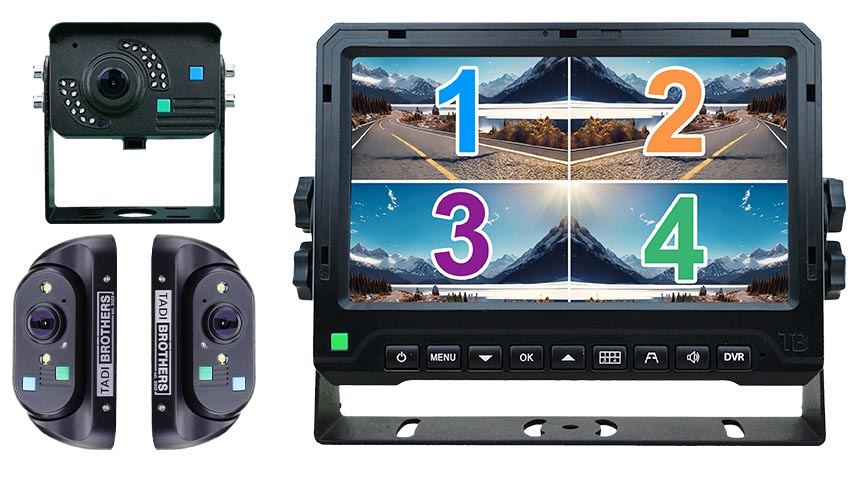
Tip 1: Start With the Right Distance From the Parked Car
This step sets up everything that follows. If you start wrong, every turn after feels off.
Pull up next to the parked car ahead of the space. Keep about two to three feet between the cars. Your rear bumper should line up with theirs.
This distance gives your car room to swing in without clipping bumpers or riding the curb. Too close causes panic. Too far forces sharp turns.
Take a breath here. A calm setup makes the rest smooth.
Tip 2: Use Clear Reference Points Before Turning
Parallel parking works best when you trust visual markers, not instinct.
Before you turn the wheel, check where your rear door handle or side mirror lines up with the other car’s rear. This is your green light to turn.
Many drivers turn too early because they feel rushed. Waiting one extra second often fixes half the problem.
This is also where a backup camera helps. A live rear view removes doubt and helps you turn with confidence instead of hope.
Tip 3: Turn the Wheel Fully and Commit
Half turns create messy angles. Once you start, turn the wheel fully and smoothly.
As you reverse, your car will angle into space. Keep moving slowly. Speed hides mistakes and makes corrections harder.
If you are using a backup camera system, it totally changes the perspective. You can watch the curb approach in real time instead of guessing through mirrors.
That visibility changes how calm your hands feel on the wheel.
Tip 4: Straighten the Wheels at the Right Moment
This step decides whether you look smooth or scramble at the end.
When your front clears the back car, straighten the wheel. Your car should now be sliding neatly into space.
Look forward and backward together. This balance keeps you centered.
Drivers often miss this moment because they focus only behind. Using both views keeps your car aligned without extra adjustments.
Tip 5: Use Small Corrections Instead of Restarting
You do not need to start over if you feel off. Small fixes save time and nerves.
Move forward slightly. Straighten. Reverse again. Adjust slowly.
Here is what helps during corrections:
- Keep movements short and controlled
- Avoid full turns unless needed
- Watch tire position near the curb
- Stay patient with yourself
A rear camera makes these micro moves easier. You can see progress instead of guessing results.
Tip 6: Watch the Curb Like a Hawk
The curb is what most drivers fear. Scraped tires and noisy bumps stick in memory.
Instead of staring at the car behind, shift attention to the curb once your rear enters the space. This prevents late reactions.
Modern backup camera systems show curb distance clearly, even at night. This is where products from TadiBrothers give you the best advantage, especially for drivers who park often in city streets.
Clear sight lowers reaction time. Lower reaction time prevents mistakes.
Tip 7: Practice in Low Pressure Spots First
Confidence comes from repetition without stress.
Practice on quiet streets. Use cones. Try empty parking lanes early in the morning.
Focus on smoothness, not speed. Parallel parking is not a race.
Once the steps become muscle memory, busy streets feel manageable instead of overwhelming.
Where Technology Fits Into Parallel Parking
Let’s address a common thought. Do you really need help for something you can learn?
The answer depends on your environment. Tight city spaces, poor lighting, and larger vehicles raise the difficulty level fast.
A backup camera system for parallel parking gives you:
- Clear rear visibility in daylight and darkness
- Accurate distance awareness
- Less neck strain and mirror guesswork
- Faster learning through visual feedback
Many drivers find that using a camera during practice speeds up improvement. Over time, the skill sticks even without it.
Why Many Drivers Choose TadiBrothers Systems
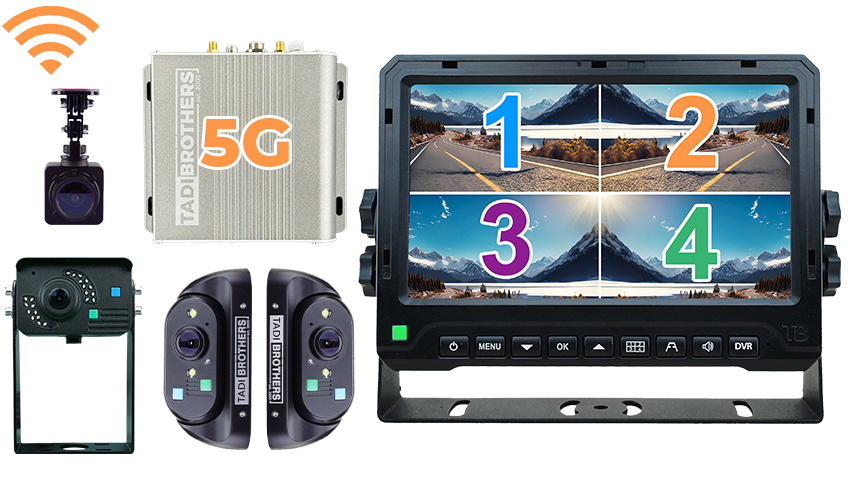
Not all camera systems behave the same. Signal drop, blurry images, or lag can increase stress instead of reducing it.
TadiBrothers focuses on reliability and clarity, which is why their backup camera systems are often listed among must-have driving upgrades. Their systems are designed for clean images, strong wireless signal, and easy installation.
You can explore options directly through their backup camera systems category to see what fits your vehicle and parking habits.
Their customer services team also helps with setup questions, which matters if wiring feels intimidating.
Common Parallel Parking Mistakes to Avoid
Even with the right steps, a few habits cause trouble.
Here are mistakes that slow learning:
- Turning too early out of fear
- Rushing because cars wait behind
- Ignoring mirror setup
- Overcorrecting with sharp turns
- Not using available visual tools
Awareness fixes these faster than more practice alone.
Building Confidence One Park at a Time
Parallel parking improves fastest when fear drops. Clear steps, steady movement, and good visibility work together.
The goal is not perfection. It’s consistent.
With practice and the right support tools, those once-avoided spaces start to feel inviting instead of threatening. And the moment you slide into a tight spot calmly, you realize something changed.
The question is simple. How much easier would parking feel if you could see every inch behind you before turning the wheel?
Questions Drivers Often Ask
Is parallel parking harder in SUVs or larger cars?
Yes, visibility drops as vehicle size grows. This is where cameras help most.
Is it okay to take your time?
Absolutely. Safety matters more than speed.
Is a backup camera worth the money?
If it reduces stress, prevents damage, and builds confidence, most drivers say yes.
Do professionals use these tools?
Many driving instructors recommend them as learning aids, not shortcuts.