
Many school districts use cameras on school buses, including interior, exterior, and stop-arm enforcement systems. But what cameras are installed and how footage is handled depend on the district and state. If you have ever watched your kid climb those bus steps and wondered who is watching once the doors close, this guide walks you through exactly what is happening on that bus.
Handing your child to a big yellow vehicle every morning takes trust. Cameras don’t replace a good driver, but they add another layer of visibility and accountability when something happens on or around the bus. Here are the facts that matter most.
1: A School Bus Camera Isn’t Just One Camera Anymore
Picture the old idea of a single lens above the driver’s mirror. That’s not how a modern school bus camera setup works today. Modern school bus camera systems can use multiple cameras to cover areas such as the passenger cabin, entrance, rear of the bus, and surrounding road. The exact number and placement vary by district and vehicle.
This layered coverage means a single blind spot rarely goes unwatched. The same basic idea applies to commercial camera systems: multiple views can cover areas a single camera cannot.
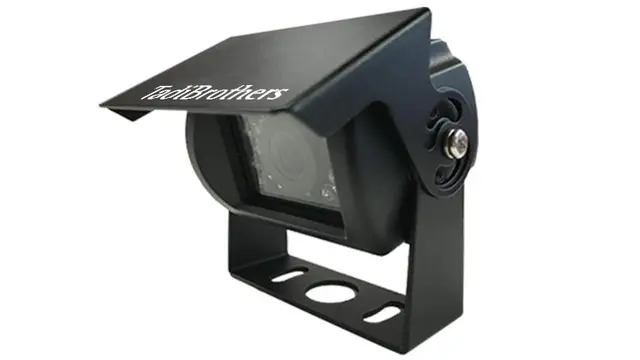
TadiBrothers works with vehicle camera systems for everything from personal vehicles to commercial fleets, so we approach school bus camera setups from a visibility-first perspective. The right configuration depends on the bus, the areas that need coverage, and how the footage will actually be used.
2: Stop Arm Cameras Catch Drivers Who Break the Law
What happens the moment a driver blows past a stopped bus with its lights flashing? Increasingly, a camera catches it. Stop-arm camera systems can capture vehicles that illegally pass a stopped school bus, including the vehicle’s license plate and surrounding footage. In jurisdictions that authorize camera enforcement, the recorded violation may then be reviewed before a citation or civil penalty is issued.
Camera enforcement is intended not only to document violations but also to discourage drivers from passing stopped school buses.
3: Interior Cameras Do More Than Watch for Trouble
A camera pointed down the aisle isn’t there to catch kids being kids. It’s there for bullying, unsafe behavior, or a medical incident, moments that get easier to sort out with footage instead of a dozen conflicting stories.
Drivers already juggle a lot, watching the road, managing dozens of kids, sticking to a schedule. The drivers don’t have time to be everywhere at once. A camera acts like a second set of eyes and gives transportation staff another record of what happened, especially when a driver can’t see every part of the cabin at once.
4: Exterior Coverage Protects the Most Dangerous Moments
Loading and unloading are particularly important safety moments because students are moving around the bus while nearby traffic may still be moving. Students can be difficult for the driver to see during these moments, while nearby traffic creates another layer of risk.
Full exterior coverage closes that gap. Districts increasingly rely on setups similar to backup camera systems found in passenger vehicles, giving drivers a clear view of what’s behind and beside the bus before it moves.
A few angles tend to matter most:
- The area beside the entrance
- The space directly behind the bus
- Areas near the front corners
- The roadway around the bus and stop arm
5: You Can’t Just Request Footage Whenever You Want
Is this footage public? Not exactly. Access to school bus footage can be limited by student privacy rules, district policies, and state law. Parents generally should not assume they can request or view recordings whenever they want. Many camera systems automatically overwrite older footage after a set retention period unless the recording is preserved for an incident. The exact retention period varies by district and system.
6: The Rules Change Depending on Where You Live
Do school bus camera laws look the same everywhere? Not even close. Some states now allow or require stop arm cameras, and requirements can get surprisingly specific. Requirements can also get very specific. Some state or district specifications establish minimum camera coverage or equipment requirements, so parents should check their local transportation department for the exact setup.
If you are new to a district, it is worth a quick call to the transportation office to ask what technology is actually on your child’s bus.
7: It is Not Just Yellow Buses Anymore
Camera systems used to be a yellow bus thing. Not anymore. Driver shortages and specialized transportation needs mean districts increasingly use vans and third party vehicles. Districts may also use vans, activity buses, or contracted vehicles for student transportation. Whether those vehicles have the same camera equipment depends on the district, vehicle type, and applicable requirements. If your child rides in an alternative vehicle, it is worth asking whether the same standards apply.
Bonus Fact: Footage Can Protect Your Family Too
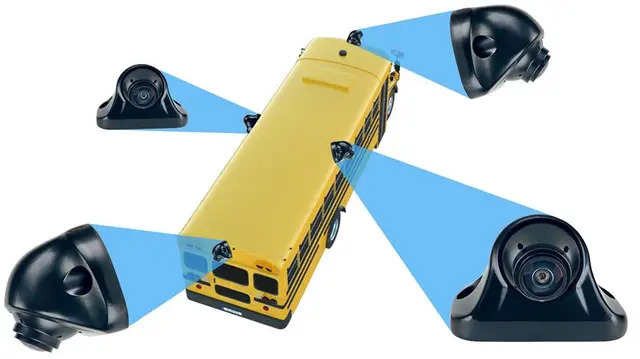
Cameras don’t just catch bad actors, they can clear good ones. Picture a driver accused of something that never happened. Without footage, it becomes a week of he-said-she-said. With relevant footage available, transportation staff can review what actually happened instead of relying entirely on conflicting accounts. TadiBrothers offers multi-camera and 360° camera configurations for vehicles where broader coverage is needed.
This liability angle matters in accident cases as well. In an accident or liability dispute, relevant footage can provide an objective record that helps investigators and insurers understand what happened.
The Bottom Line for Parents
A school bus camera system won’t prevent every bad moment. No technology does. But it changes the incentives for everyone involved, drivers passing illegally, kids tempted to act out, and the driver managing a chaotic morning route. Accountability tends to improve behavior quietly, long before anyone notices the difference.
FAQs
1. Are school bus cameras required by law?
Requirements vary by state and district. Some jurisdictions authorize or require stop-arm camera programs, while interior and general-purpose bus cameras may be governed by district policy or procurement standards.
2. Can parents watch live camera footage?
Usually not. Live camera access is generally restricted to authorized transportation or school personnel because of student privacy and safety concerns. Specific access policies vary by district.
3. How long do schools keep bus camera footage?
Retention periods vary by district, camera system, and applicable policy. Many systems automatically overwrite older recordings unless footage is preserved for a reported incident. If you need footage, contact the transportation office as soon as possible.
4. Do vans and shuttle buses have cameras too?
Some do. Districts may equip vans, shuttle buses, and contracted vehicles with interior or exterior cameras, but the equipment and requirements vary by vehicle and district.