
Trailer sway is that side-to-side motion behind your tow vehicle. It’s almost always caused by uneven weight, wind, speed, or rough roads. Sometimes all four hit at once.
Many drivers remember the first time trailer sway catches them off guard. One moment everything feels stable. The next, the trailer starts swinging wider than expected.One second I was cruising fine. The next, my mirrors showed the trailer swinging wider than my truck bed. Not a feeling you forget.
At TadiBrothers, we regularly help customers improve trailer visibility and towing safety, and trailer sway is one of the most common concerns we hear about. Sway rarely comes from nowhere. Let’s break down what causes trailer sway, why it sneaks up on people, and what actually stops it.
Why Trailers Start to Fishtail
Trailer sway comes down to balance. A trailer wants to track straight behind you. Once something knocks that balance off, it starts rocking. It could be a crosswind gust, a light hitch, or a rough patch of road.
If the cause isn’t corrected, each swing can become larger than the last. One swing often leads to the next. Within seconds, a small wobble turns into a fishtail you can’t steer out of.
Here’s the surprising part: it’s rarely just one thing. A slightly light hitch usually won’t cause trouble alone. Add a crosswind or a passing semi, though, and two small problems compound fast.
1. Not Enough Tongue Weight
This one trips up the most people. Tongue weight is the downward pressure on your hitch ball. Most conventional trailers tow best with 10–15% of their loaded weight on the hitch.
Skimp on that, and the back end takes charge, steering itself instead of following you.
Where you load your gear matters more than how much you pack. Heavy items go low, just ahead of the axle. Not crammed against the tailgate. A cooler sitting too far back is often enough to start the swing.
2. Crosswinds and Semi-Truck Drafts
A tall, flat-sided trailer catches wind like a sail, and that’s exactly the problem. Wind hits the broad side of your trailer from a storm, or from a passing 18-wheeler. Either way, it ranks among the top causes of sway. It’s one of the most common causes of trailer sway on highways, especially when large trucks pass at speed.
You can’t control the weather. But you can ease off the gas before a gap between semis. A firmer grip through open stretches helps too.
3. Uneven Roads and Potholes
A rough road doesn’t just rattle your teeth. It can knock your trailer sideways. Hit a deep pothole at speed, and that jolt can start the sway. Frost heaves, uneven pavement, and construction zones can all upset trailer stability. Mountain passes and construction zones tend to be the worst. Slow down when the pavement looks bad.
4. Driving Too Fast for the Conditions
Speed alone doesn’t create sway. But it makes every other problem worse. A wobble you’d never notice at 45 mph turns dangerous at 70. If the trailer already feels unstable before you reach highway speeds, slow down and inspect the setup.It costs nothing and gives you more time to react.
5. Poor Weight Distribution Inside the Trailer
It’s not just front-to-back balance, side-to-side matters too. Load all your gear onto one side, and the trailer gets twitchy, even on a calm day. A few habits help:
- Place heavy items low and close to the trailer axle while maintaining proper tongue weight.
- Balance side to side, so one wheel doesn’t carry more.
- Strap everything down so nothing shifts once you’re rolling.
- Check your load again after a fuel stop.
6. Underinflated or Mismatched Tires
Soft tires flex more than they should. Underinflated tires flex more than they should, making the trailer less stable and more likely to sway. Mismatched sizes or worn tread can fake a weight problem, even with a perfect load. Check the cold pressure before driving. Make it a habit every trip.
What Causes Trailer Sway While Driving, Specifically?
There’s a gap between reading about what causes trailer sway and feeling it at 65 mph. On the road, the trigger hits fast. It could be a gust, a sudden lane change, or a quick jerk to dodge debris. Your trailer reacts before your brain catches up. That’s why catching it early beats wrestling it back later.
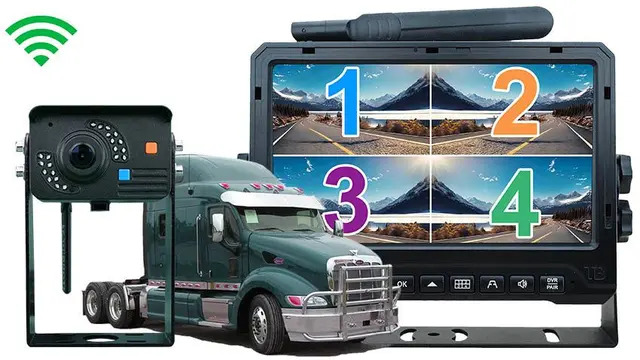
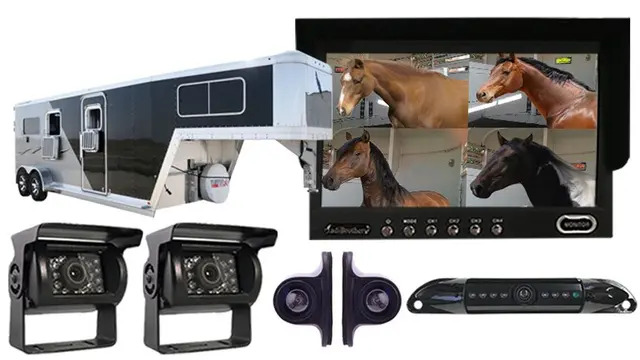
This is where better visibility can make a real difference. Most drivers only get a sliver of view through a small side mirror. A backup camera system gives you a full, real-time view of how your trailer tracks. You catch the first hint of drift, not the tenth. A wider rear view helps drivers notice small trailer movements earlier, giving them more time to respond. At TadiBrothers, we regularly help RV owners and trailer operators improve visibility with backup camera systems designed specifically for towing.
Recognizing Sway Before It Becomes a Problem
A little movement isn’t automatically bad. Small trailer movements can happen on uneven roads or in crosswinds. What matters is whether the trailer settles quickly or continues swinging from side to side. Real trouble looks different, responding to your steering instead of settling on its own.
Before a longer haul, a few questions are worth asking:
- Am I ready for this route, or should I practice on something shorter first?
- Will wind be a factor anywhere along this drive?
- Would a camera or extra mirrors actually change how I’d react to a wobble?
- Is upgrading my setup worth it, given how often I actually tow?
A clear rear view builds more confidence than people expect. A backup camera for your trailer setup isn’t just for backing into a campsite. It keeps your eyes on the load the whole drive, right when sway is most likely to start.
How to Help Prevent Trailer Sway
The best way to deal with trailer sway is to stop it before it starts. A few simple habits can make towing feel much more stable.
- Keep tongue weight between 10% and 15% of the trailer’s loaded weight.
- Load cargo evenly and secure it so nothing shifts while you’re driving.
- Check tire pressure on both the tow vehicle and trailer before every trip.
- Reduce speed when driving in strong crosswinds or passing large trucks.
- Consider a weight-distribution hitch with sway control if you regularly tow heavier trailers or RVs. These systems help distribute weight more evenly and reduce side-to-side movement.
No accessory replaces proper loading or safe driving, but the right hitch setup can add another layer of stability for frequent towing.
What To Do If Your Trailer Starts Swaying
Don’t slam the brakes. That’s the instinct, and it’s the wrong one. Ease off the gas gradually instead. Keep your hands steady on the wheel and resist the urge to overcorrect. If your trailer brake controller has a manual override, apply it gently to help straighten the trailer. Once things settle, pull over and check your load and tire pressure.
Bringing It All Together
So, what causes trailer sway? Nine times out of ten, it’s some mix of light tongue weight, wind, speed, and rough roads. An unbalanced load plays a part too, and so do tires that aren’t holding their own. None of it is complicated to fix. It just takes checking your setup instead of trusting last trip’s numbers.
Better to catch a wobble in your driveway than on the interstate. Pair a balanced load with a clear rear-facing camera, and the odds shift heavily in your favor. A backup camera system from TadiBrothers won’t pack your trailer for you. But it will let you spot trouble the second it starts, not the second it’s already dangerous.
So next time you hook up, will you actually check your tongue weight? Or just hope it holds like last time?