
Semi trucks have some of the largest blind spots on the road. Knowing where those “no zones” are can help you avoid dangerous situations and drive more safely around commercial vehicles. Ever driven next to a big rig and wondered whether the driver could actually see you? That feeling is not wrong. Those trucks really can’t see you in certain spots. The good news is, staying safe doesn’t take much. Just learn the danger zones and give them space.
At TadiBrothers, we have helped commercial drivers improve visibility for years, so questions about blind spots come up almost every day. So we try to keep the advice simple. A little knowledge goes a long way out there.
Our team works with commercial fleets, owner-operators, and RV drivers every day, so visibility questions like these come up constantly.
The Quick Answer
Semi trucks have four major blind spots. Truckers call them “no zones.” Front, back, and both sides. Sit in one of these, and the driver may never know you’re there.
That is why lingering next to a truck is risky. You assume they see you. A lot of the time, they don’t.
Large trucks also need much more space to turn, change lanes, and stop than passenger vehicles. That makes understanding blind spots one of the simplest ways to reduce the risk of a collision.
Where the Four No Zones Sit
Once you know where to look, these are pretty easy to picture.
- Front: The hood blocks about ~20 feet ahead.
- Rear: The trailer blocks roughly ~30 feet behind.
- Left side: Extends along the driver’s side, especially beside the cab and trailer.
- Right side: The big one. Stretches front to back, often extending across multiple lanes
If you are sitting in any of these, don’t count on being seen.
How Large Are Semi Truck Blind Spots?
A regular car’s blind spot is small. A semi truck can hide your whole vehicle.
- Front zone: up to 20 feet.
- Rear zone: up to 30 feet.
- Side zones: run the full length of the trailer. The right side is worse.
That is why passing quickly matters so much. The longer you sit there, the riskier it gets.
A Quick Way to Check
A simple rule many driving instructors teach is this. If you can’t see the truck driver’s face in the side mirror, the driver probably can’t see you either.
It’s not perfect, but it’s a quick way to judge whether you’re visible. If you are unsure, move ahead or fall back instead of lingering beside the truck.
5 Smart Ways to Stay Safe
A few habits that genuinely help:
- Don’t linger beside the truck. Pass with purpose. Move ahead, or drop back. Don’t just sit there.
- Give the front room. Leave extra space when pulling in front of a truck. Back off a bit.
- Stay off the rear bumper. The trucker can’t see straight back. Following close? Leave extra space.
- Pass on the left when you can. The right side is worse for visibility. Left usually works better.
- Improve your own visibility, if you’re driving the truck. A semi truck blind spot mirror or camera setup helps a ton. More visibility, fewer surprises.
Mirrors and Cameras That Actually Help
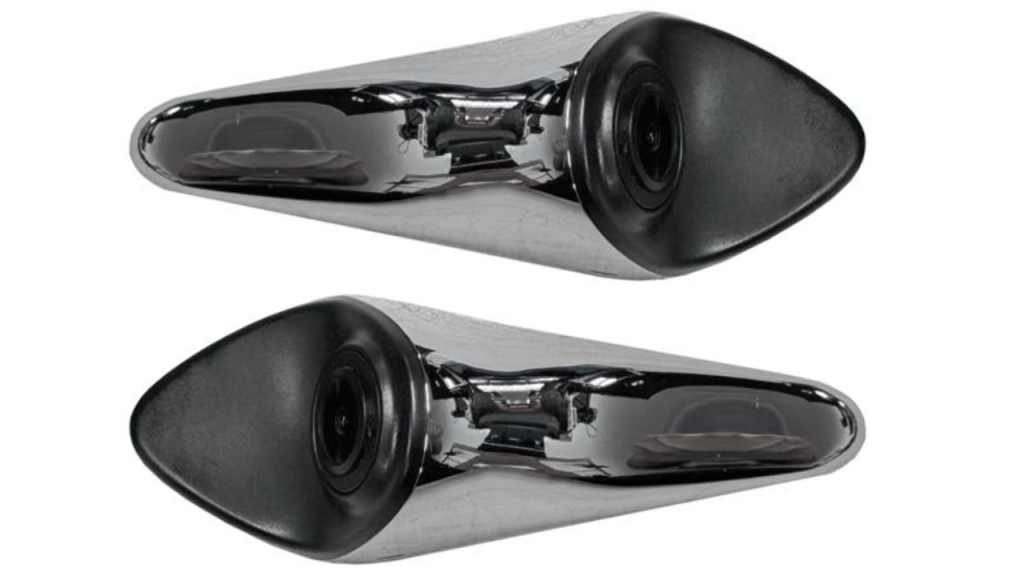
Mirrors are useful, but they don’t cover everything. That’s why a lot of drivers add a semi truck blind spot mirror to their rig. Small, convex, and it widens your view of the side zones nicely.
Want even better coverage? TadiBrothers offers backup camera and blind spot camera systems designed specifically for commercial trucks, helping drivers monitor areas mirrors cannot fully cover. These put a screen right in the cab, showing the rear and sides in real time. They won’t replace your mirrors, but they fill in the gaps mirrors miss.
At TadiBrothers, we see mirrors and camera systems as complementary safety tools. Together, they give drivers a clearer view of the areas where accidents are most likely to happen. A solid mirror helps. A solid camera system helps even more. The goal is simple: reduce blind spots and improve driver awareness, not just pile on gear.
Why This Matters, Even If You Don’t Drive a Truck
Most of us aren’t behind the wheel of a semi truck. But we are sharing the road with plenty of them. Knowing where their blind spots are, just makes you a sharper driver.
It matters if you ever drive something bigger too, like towing a trailer. Large trailers and RVs create similar visibility challenges on both Front and back sides.
And a calm approach beats an over-the-top one here. The best visibility system is the one that fits your vehicle and helps you see the areas your mirrors miss. You need something that actually works for how you drive.
A Few Things Worth Asking Yourself
Before you hit the road, run through these:
- Do my mirrors actually cover the main zones?
- Could I use a wider view on one side?
- Would a camera help in tight spots?
- Do I tow or back up a lot?
- Is my visibility solid at night or in rain?
These questions separate an okay setup from a genuinely good one.
One Last Thing
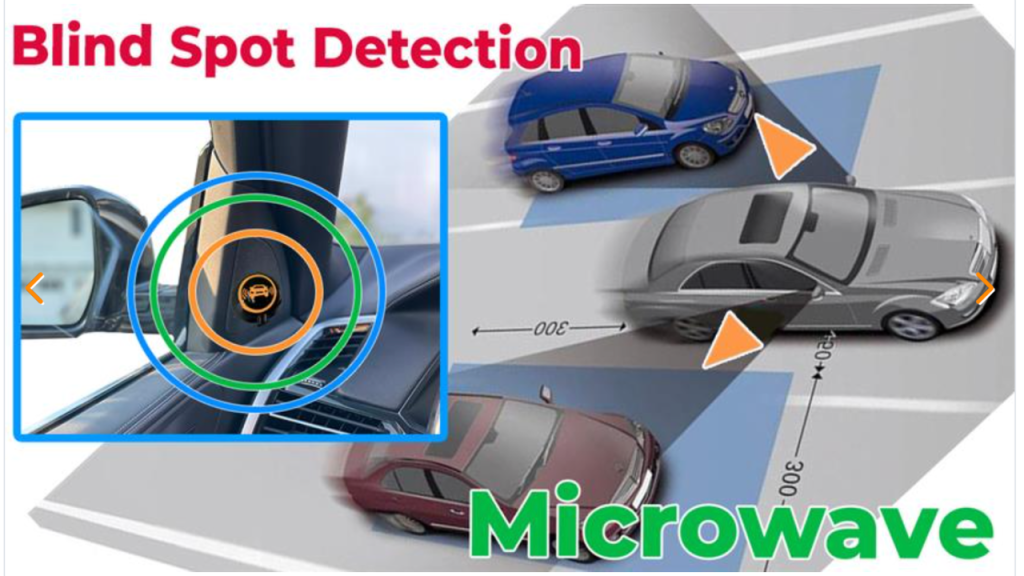
Blind spots aren’t going away. That is just how trucks work. But you can manage them, and that is what actually matters.
Stay out of the no zones, and you will drive with a lot more confidence. Still unsure about your setup? The right mirror or camera system won’t eliminate blind spots entirely, but it can make them much easier to manage.
FAQs
1. How many blind spots does a semi truck have?
Four major no zones around the front, rear, left side, and right side.
2. Why is the right-side blind spot larger?
The trailer blocks more of the driver’s view on the passenger side.
3. Do blind spot cameras replace mirrors?
No. They work alongside mirrors to improve visibility.
4. Are blind spot mirrors worth it?
Yes, especially for commercial vehicles, RVs, and trucks that frequently maneuver in tight spaces.