
The best dash cam for truckers isn’t the one with the flashiest spec sheet. It is the one that actually holds up at 2 AM on an icy stretch of interstate when something goes wrong. Most guides just list product names and call it a day. You need more than that, especially when your livelihood, not just your bumper, depends on it working properly.
So here is what actually matters, things that most listicles skip past.
Secret 1: A Dash Cam Might Be Protecting Your CDL, Not Just Your Truck
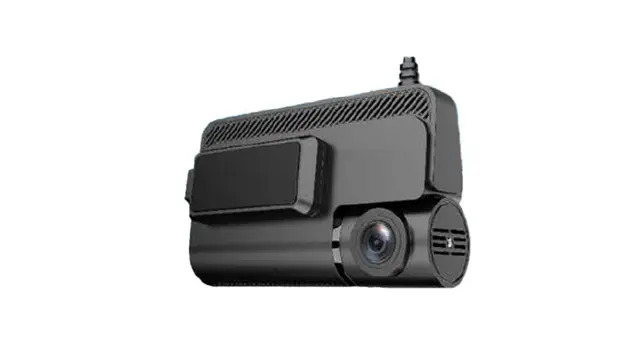
Something a lot of drivers don’t think about until it’s too late. In crashes involving large commercial trucks, determining fault is often more complex, and drivers may face greater scrutiny because of the size of the vehicle. Clear video evidence helps establish exactly what happened. That assumption alone can put your commercial driver’s license (CDL) at risk even when you did everything right.
A dash cam helps change that. Footage showing exactly what happened protects your record and your livelihood, not just your bumper. This is honestly the biggest reason to treat a dash cam as essential gear, right up there with your logbook.
Secret 2: Channel Count Decides What You Actually See
| Setup | Coverage | Best For |
| Single-channel | Front only | Basic budget protection |
| 3-channel | Front, rear, interior or side | Most owner-operators |
| Multi-camera system | Front + waterproof side/rear mounts | Trailers, tight backing, blind spots |
A single-channel camera leaves a lot uncovered on a rig this size. Side scrapes during merges, rear-end hits while stopped, trailer incidents during loading, none of that gets caught by a forward-facing lens alone. For most owner-operators, 3-channel hits the sweet spot between cost and actual coverage.
Secret 3: Extreme Temperatures Kill Cheap Batteries Fast
Cabs sit in brutal heat during summer and freezing cold in winter, and a lot of budget dash cams use lithium-ion batteries that just don’t hold up under those swings.
Look for capacitor-based cameras designed to handle wide temperature ranges. Capacitors handle temperature extremes way better and won’t degrade the way lithium does after a few brutal seasons in a frozen lot. It is a small specification buried in the fine print, but it is honestly one of the better predictors of whether a camera survives two winters or dies after one.
Secret 4: Best Dash Cam for Truckers With Night Vision, and Why Resolution Matters Too
A huge chunk of trucking happens at night, right when footage quality matters most. The best dash cam for truckers with night vision uses a strong sensor and wide dynamic range to stay clear through glaring headlights and dark rural roads.
Aim for 1080p as an absolute floor, 4K if your budget allows it. Cheaper cameras turn into a blurry mess the moment lighting gets tricky, right when you’d need clear footage the most.
Secret 5: Parking Mode Protects You Somewhere Cameras Rarely Reach
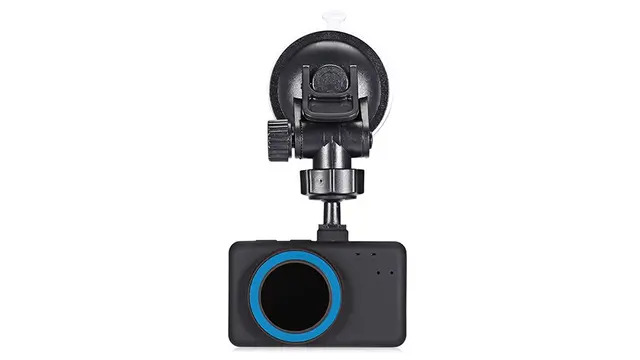
Truck stops and loading docks don’t always have security cameras covering every parking space. That’s where parking mode becomes valuable. It keeps recording while you are asleep in the cab or away from the truck, so you have footage if someone hits your vehicle or tampers with it.
Motion-triggered or impact-triggered recording is usually the better choice. It saves storage and power while still capturing important events.
Secret 6: GPS Logging Matters Differently Depending on Who You Are
If you are an owner-operator, GPS mostly backs up your side of a dispute, exact location and speed tied to real footage instead of a fuzzy memory. If you are driving for a fleet, that same data usually feeds straight into trip logging and driver coaching, which makes it less optional and more just part of the job.
Either way, when a dispute comes down to exactly where you were and when, a GPS timestamp beats a vague recollection every time.
Secret 7: Storage Capacity Determines How Much of Your Trip You Keep
Multi-day hauls generate a lot of footage. Continuous multi-channel recording can fill a 128GB memory card surprisingly quickly, especially at higher resolutions. How long it lasts depends on your recording settings and video quality. This implies that older clips get overwritten before you would even know something worth keeping happened.
For long-haul routes, look for systems that support larger-capacity memory cards or built-in DVR recording, so that important footage isn’t overwritten too quickly. It is a small detail that saves a real headache if an incident happens on day four and your camera is already looped back over the footage.
Where These Cameras Actually Mount on a Rig
Front cameras typically mount near the windshield, same as any car. Exterior side and rear units usually go near the mirrors or rear corners, wired along the trailer or cab exterior with weatherproof housing. Multiple cable length options matter here since routing wiring cleanly on a longer rig takes more planning than a standard car install.
Putting It All Together
These seven secrets work together, not in isolation. Great night vision doesn’t help much if the camera itself struggles with extreme temperatures. GPS logging without decent storage just means losing footage that would have actually mattered. The best dash cam for truckers balances all of it, not just the one spec that looks impressive on a product page.
TadiBrothers builds systems with these realities in mind, not repackaged consumer dash cams with a “trucker” label slapped on. Their dash cam lineup includes multi-channel options built for the rear and side coverage big rigs actually need.
If something happened on your route tonight, would your current setup actually back you up? A dash cam built around these seven points protects your CDL and your income, not just your bumper.
So, be honest, would your current dash cam actually hold up if you needed it tonight?
FAQs
1. Does dash cam footage actually hold up in court or with insurers?
Generally yes, timestamped video with GPS data is treated as strong evidence in most disputes.
2. Do these cameras need a subscription?
Only cellular-connected models, most standard trucker dash cams just record to a card or SSD, no ongoing fees.
3. Is installation hard on a semi?
Front cameras are simple. Exterior side or rear cameras take more wiring work, professional install is common for those.