
An aftermarket blind spot monitor is one of the simplest ways to make your car safer, especially if your vehicle did not come with this feature built in.
And yes, it is worth it. But only if you choose the right system.
Most people rush into buying the cheapest option online. Then they deal with false alerts, poor range, or systems that stop working after a few months. You do not want that. You want something that works every single time you change lanes.
Let’s walk through this the way a careful buyer would. Step by step. No guesswork.
Why You Should Consider an Aftermarket Blind Spot Monitor
Blind spots are real. You cannot always rely on mirrors alone.
You might have faced this already. You check your mirror, start to switch lanes, and suddenly a bike appears out of nowhere. That moment is enough to make you rethink your setup.
That is where a blind spot monitor steps in. It alerts you before things go wrong.
But here is the real question you may be asking:
- “Do I really need this if I drive carefully?”
- “Is it worth the money for daily use?”
If you drive in traffic, highways, or tight city roads, the answer is yes. It is not about skill. It is about having an extra layer of safety.
How an Aftermarket Blind Spot Monitor Works
Before picking one, you need to understand the basics.
Most Camera systems use ultrasonic or radar sensors. These sensors detect vehicles in areas you cannot see. When something enters your blind spot, you get a visual or audio alert.
Simple idea. Powerful impact.
Better systems also connect with cameras and displays. This gives you a clear visual instead of just a warning beep.
6 Smart Picks to Avoid Wasting Money
Now let’s get into the part that matters most. Choosing the right setup.
We are not just listing products. We are walking through smart decisions you can actually use.
1. Choose a System with Reliable Ultrasonic Detection
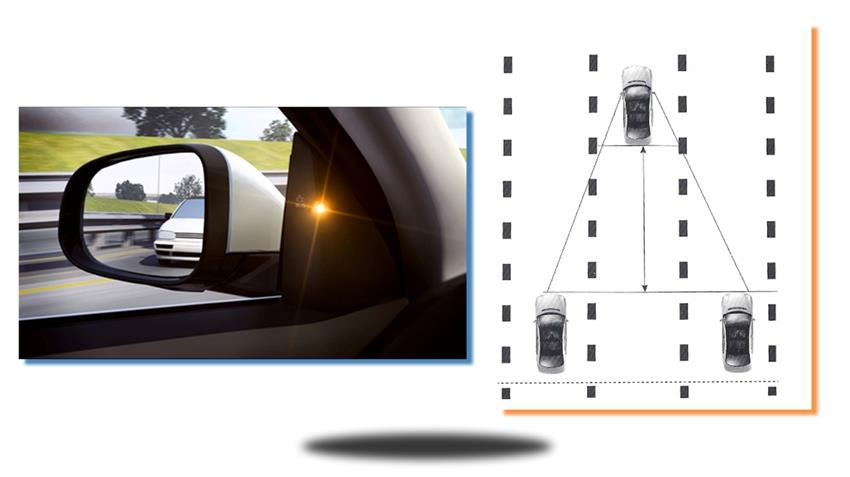
Accuracy matters more than anything.
Cheap systems often trigger false alerts. That gets annoying fast. And worse, you start ignoring the warnings.
A strong option is the Ultra Sonic Blind Spot Detection System. It offers stable detection and works well in daily conditions.
Why this matters:
- Consistent alerts build trust
- Better accuracy reduces stress
- Works in both city and highway driving
If you are thinking, “Will this work in rain or traffic?” Yes, good ultrasonic systems are built for that.
2. Pair It with a Clear Display Screen
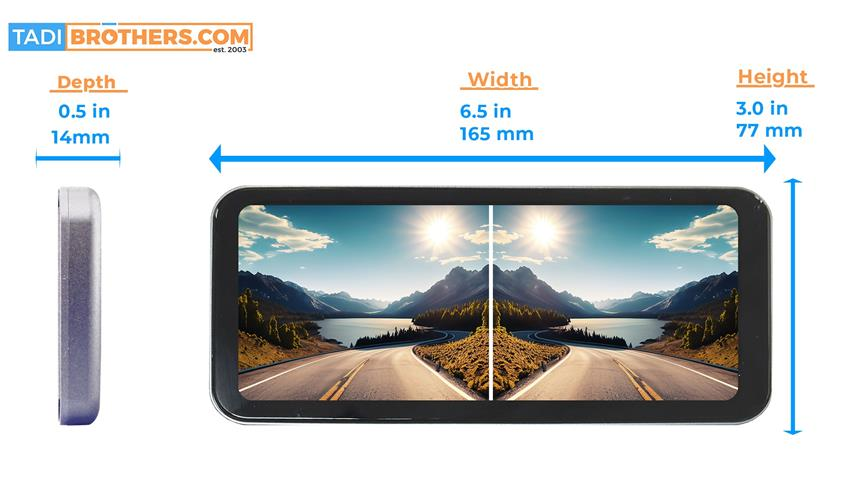
Beeping sounds are helpful. But seeing is better.
A camera system paired with a screen gives you more control. You can actually see what is happening around your car.
The Touch Screen for Blindspot Camera System adds that visual layer. It shows real-time footage, making decisions easier.
Think about this. Would you rather guess based on a sound, or confirm with your eyes?
3. Combine It with a Backup Camera for Full Coverage
Here is where things get practical.
Blind spot monitors cover side areas. But what about the rear?
That is why many drivers choose to Order your wireless backup camera from Tadibrothers Today!. It completes your safety setup.
Benefits you will notice:
- Clear rear visibility
- Easier parking in tight spots
- Reduced risk of minor accidents
You stop guessing. You start seeing.
4. Look for Easy Installation Systems
Now let’s talk about effort.
You might be wondering, “Do I need a professional for this?” Not always.
Many modern camera systems are designed for simple installation. Some are plug-and-play. Others need basic wiring.
What to check before buying:
- Installation time
- Tools required
- Clear instruction manual
If it feels too complex, it probably is. Choose something user-friendly.
5. Check Real-World Performance, Not Just Features
This is where most buyers go wrong.
They focus on features, not performance. A system may look great on paper but fail in real driving conditions.
Ask yourself:
- “Does it work well in traffic?”
- “Will alerts come on time?”
- “Is it reliable long term?”
That’s why combining a system like the Ultra Sonic Blind Spot Detection System with a wireless backup camera is a smart move. Together, they improve real-world visibility and awareness, though each works best when used alongside careful driving.
6. Think Long-Term, Not Just Price
Cheap systems cost more in the long run.
They fail faster. They need replacement. And sometimes, they do not work when you need them most.
Instead, focus on:
- Build quality
- Weather resistance
- Warranty support
Spending a bit more upfront often saves you from bigger problems later.
How to Decide What’s Right for You
At this point, you might feel a bit stuck. Too many options. Too many features.
Let’s simplify it.
Ask yourself:
- “Do I drive daily in traffic?”
- “Do I struggle with blind spots already?”
- “Do I want just alerts or full visibility?”
If you want basic support, go for a sensor system.
If you want full control, combine sensors with a camera and screen.
That is why many drivers choose to order wireless backup cameras along with a complete blind spot setup. It creates a more reliable driving experience.
Common Mistakes You Should Avoid
Before you buy, keep these in mind.
- Choosing the cheapest option without checking reviews
- Ignoring installation difficulty
- Skipping display systems
- Not testing sensor range
These mistakes lead to frustration. And wasted money.
What an Expert Would Tell You
A professional installer will keep it simple. Reliability matters more than features. A system that works consistently is more valuable than one packed with extras that fail in real conditions.
A balanced setup tends to work best. Ultrasonic detection paired with a camera display gives both alerts and clear visibility, helping cover each system’s limitations.
That is why many drivers choose proven setups like those from Tadibrothers and add a wireless backup camera for better day-to-day reliability.
Key Takeaways You Should Remember
- Blind spots are a real safety risk
- A good system reduces stress while driving
- Sensors + camera give the best results
- Installation should be simple and clear
- Long-term reliability matters more than price
You now have everything you need to make a smart decision.
So the real question is not whether you should get an aftermarket blind spot monitor.
It is whether you are comfortable driving without one when a simple upgrade could change how safe you feel on the road.