
Driving in heavy rain is safe when you slow down, stay alert, and use the right tools to protect your blind spots. You are not just looking for tips. You want control. When rain hits your windshield and trucks spray water like a wall, your heart rate rises. You grip the wheel tighter. That reaction is normal.
The real goal of driving in rain safety is simple. You want to feel calm, not tense. You want to reach home without white-knuckle stress. And yes, you want to avoid accidents that happen in seconds.
Let’s walk through five smart ways to drive safely in heavy rain without fear. You’ll find the answers you need and why each step matters before showing you how to apply it.
1. Slow Down Early and Create Space
Heavy rain reduces traction. Water builds under your tires. If speed stays high, hydroplaning becomes likely. That moment feels sudden, but it builds from small choices.
Lower speed increases tire grip. Extra following distance gives more reaction time. Space is your best friend in the rain.
When driving in heavy rain:
- Reduce speed below the posted limit
- Increase following distance to 5–6 seconds
- Avoid sharp steering corrections
- Brake gently instead of suddenly
The goal is control, not speed. Slowing down feels simple, yet it prevents most rain-related accidents.
2. Improve Visibility Before You Need It
Rain attacks vision first. Dirty glass, worn wipers, and weak headlights make it worse. If you struggle to see lane lines or brake lights, reaction time drops.
Driving in rain safety depends heavily on visibility.
Before driving in wet weather:
- Replace wiper blades if they streak or skip
- Clean inside and outside of windows
- Turn headlights on during rainfall
- Use defoggers to prevent interior fog
Clear vision lowers stress instantly. You respond faster because you see hazards earlier.
3. Invest in Accessories That Increase Awareness
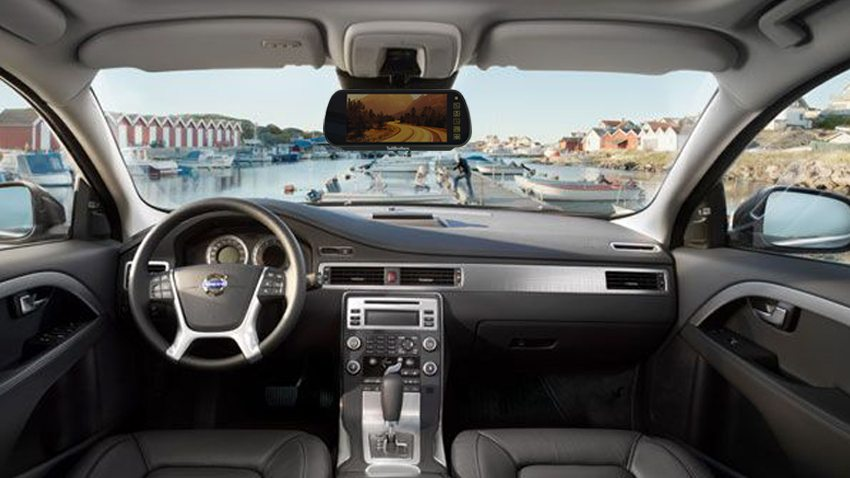
Rain increases blind spots. Water spray from other vehicles clouds mirrors. The back windows fog up. Reversing becomes tense, especially in crowded lots.
This is where smart accessories make a real difference.
A reliable backup camera system adds visibility exactly where rain reduces it most. Instead of guessing what sits behind the vehicle, you see it clearly on a monitor. That clarity reduces hesitation and prevents minor collisions.
Consider practical tools such as:
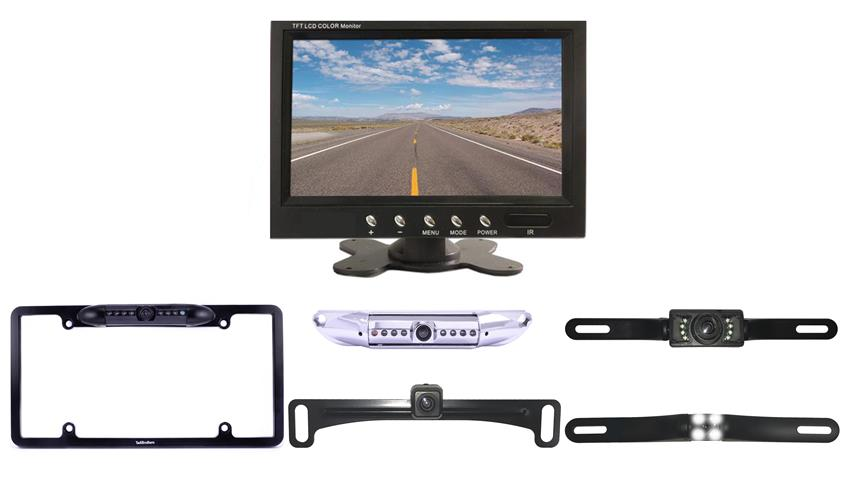
- Backup camera systems with 1 to 2 rear view cameras
- A license plate backup camera with a 7-inch rear view monitor
These accessories do not replace careful driving. They support it. In heavy rain, a clear rear view can prevent fender benders, parking mishaps, and unseen obstacles.
Investing in safety accessories is not about luxury. It is about reducing blind zones that worsen in bad weather. Even a small upgrade can prevent costly repairs later.
When visibility drops, equipment quality matters.
You can check out TadiBrothers and upgrade your old tech with new 5G camera Systems
4. Respect Hydroplaning and Know the Proper Response
Hydroplaning happens when water lifts your tires off the road surface. The steering wheel feels light. The vehicle may drift.
Many drivers panic at that moment. Panic causes sharp steering and hard braking, which increases risk.
If hydroplaning begins:
- Ease off the accelerator slowly
- Keep the steering wheel steady
- Avoid slamming the brakes
- Wait for the tires to regain traction
Calm action restores control. Overreaction makes it worse.
Driving in rain safety depends on staying composed when traction changes. Knowing what to do removes much of the fear.
5. Perform Maintenance Checks Before Driving in Heavy Rain
Rain exposes weak components quickly. Poor tire tread cannot channel water. Weak brakes increase stopping distance. Dim lights reduce visibility.
Maintenance is the foundation of safe rain driving.
Before a rainy season or long wet trip, check:
- Tire tread depth and air pressure
- Brake performance
- Headlight brightness
- Tail lights and turn signals
- Battery condition
Tire tread is especially important. Shallow tread struggles to push water aside. That increases hydroplaning risk. Adequate tread depth improves grip on wet roads.
Brake inspection is equally critical. Wet roads already extend stopping distance. Worn brake pads add more delay.
These checks may seem basic. Yet they prevent serious problems when conditions worsen.
Why Investing in Accessories and Maintenance Matters
Some drivers rely only on skill. Skill helps, but equipment supports judgment.
Imagine reversing in a storm without clear rear visibility. Mirrors blur. Rain distorts depth perception. A quality rear camera system provides a stable view regardless of weather spray.
Now imagine driving with worn tires and weak headlights. Even careful driving cannot compensate for poor grip and low light.
Accessories and maintenance work together. Maintenance ensures your vehicle performs correctly. Accessories extend your awareness beyond normal limits.
That combination builds confidence.
How to Think About Driving in Rain Safety Differently
Rain does not demand fear. It demands adjustment.
Slow down sooner than usual. Increase space around your vehicle. Improve visibility through clean glass and strong lighting. Add reliable camera systems to reduce blind spots. Keep tires and brakes in strong condition.
Driving in rain safety is about preparation, not reaction.
The next time dark clouds gather and rain begins to fall, the focus shifts to one simple question. Has enough preparation been done to stay calm when the road gets slick?
Why Driving in Rain Safety Feels Overwhelming
Rain reduces control in small ways. Reduced visibility, longer stopping distance, and unpredictable drivers all add pressure.
You may wonder:
Is heavy rain always dangerous?
Should trips be postponed?
Is extra equipment really necessary?
Heavy rain increases risk, but smart habits reduce it significantly. Most rain accidents happen because drivers maintain normal speeds and underestimate stopping distance.
Prepared drivers adjust early. That early adjustment changes the outcome.
Key Takeaways to Remember
Heavy rain reduces traction and visibility.
Lower speed increases control.
Clear vision improves reaction time.
Rear visibility tools reduce blind spots.
Good tires prevent hydroplaning.
Each step builds confidence. Confidence removes fear.
The next time rain begins to fall and traffic slows, the question becomes simple. Will the conditions control the drive, or will preparation control the outcome?