
LCD vs LED monitor confusion is common, but here is the clear truth: LED monitors are actually LCD panels with a different backlight system, and that small change makes a real difference in brightness, power use, and overall performance.
If you are shopping for a Backup Camera System, especially from TadiBrothers, you want the right screen. You are not buying a monitor for movies. You are buying it for safety. You want clear images when you reverse. You want confidence when you tow. And you want something that works every time.
Let us walk through this calmly and clearly. No hype. Just facts that help you decide.
Why Monitor Type Matters for Backup Camera Systems
Before we compare LCD vs LED monitor differences, let’s answer the real question.
Why does this matter for your vehicle?
When you install a camera on your truck, RV, trailer, or van, the camera is only half the system. The monitor is what you actually look at. If the screen is dull, dim, or hard to see in sunlight, the whole setup feels useless.
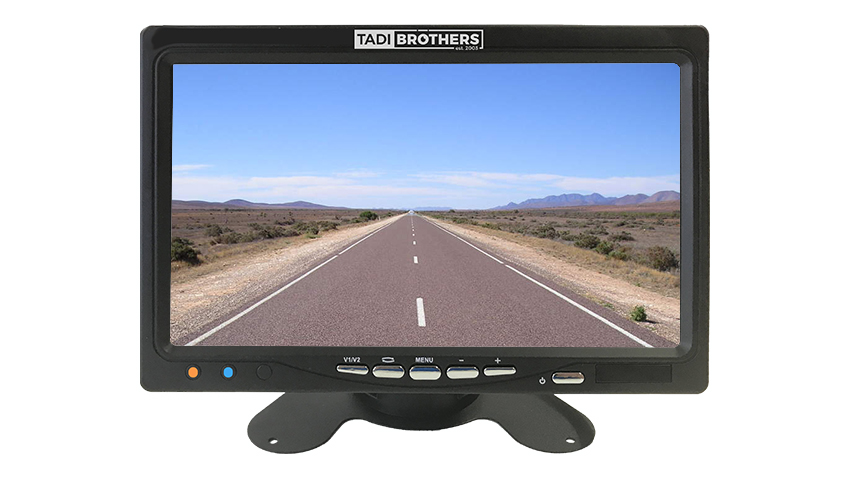
That is why many drivers choose the 7-inch LCD Monitor from TadiBrothers. It is designed for vehicle use. It connects easily with most backup cameras. And it delivers a clear image where it matters most.
You are not watching Netflix. You are checking blind spots. That changes everything.
LCD vs LED Monitor: 5 Proven Differences Explained
Now let us break this down into five simple differences that actually matter to you.
1. Backlighting Technology
This is the core difference.
• LCD monitors use fluorescent backlights
• LED monitors use light-emitting diode backlights
• The screen panel itself is still LCD technology
So when someone says “LED monitor,” they really mean an LCD panel with LED backlighting.
Why should you care?
LED backlighting is more energy efficient. It also allows thinner displays and often better brightness control.
For a vehicle setup, power efficiency matters. You do not want to drain your battery while parked with the ignition on.
2. Brightness and Sunlight Visibility
If you have ever tried to reverse in bright daylight, you know the struggle. Glare hits the screen. The image fades. You squint.
LED backlit monitors typically offer:
• Higher brightness levels
• Better contrast in daylight
• More even light distribution
That said, not all LED monitors are equal. Quality matters more than the label.
The 7-inch LCD Monitor for any backup camera offered by TadiBrothers is engineered for automotive use. It is built for visibility inside a vehicle cabin, not a dim bedroom.
And that is a huge difference.
3. Power Consumption
LED monitors consume less power than older fluorescent-backlit LCD monitors.
In a car, truck, RV, or trailer, that matters.
You might ask yourself:
“Will this drain my battery?”
“Is this safe to run with multiple cameras?”
LED backlighting helps reduce power draw. That makes it ideal for:
• Long hauls
• RV parking situations
• Commercial fleet vehicles
• Towing setups
When you invest in a full Backup Camera System, efficiency becomes part of the long-term cost.
4. Thickness and Durability
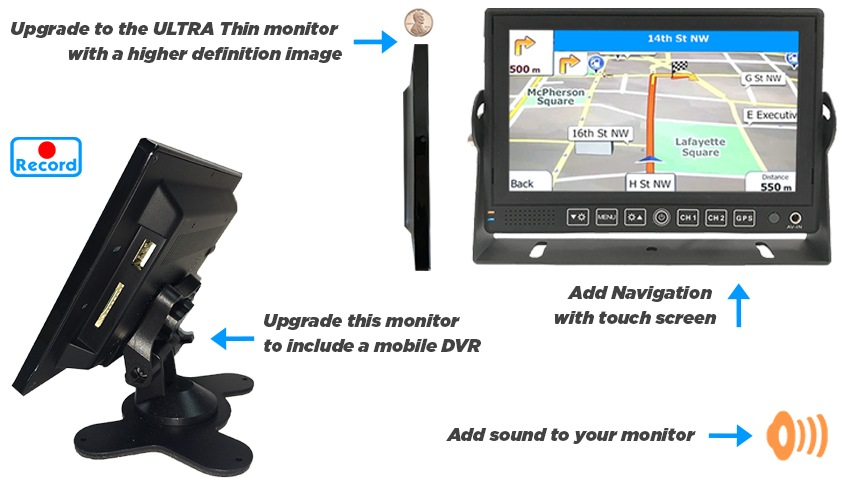
LED-backlit monitors are generally thinner and lighter.
Does that matter in a vehicle?
Yes.
Mounting space inside a dash or windshield area is limited. A bulky monitor can feel intrusive. A slimmer unit blends in better and is easier to position safely.
Durability is more important than style, though.
Vehicle monitors must handle:
• Heat inside the cabin
• Vibration from driving
• Long daily usage
TadiBrothers offers monitors specifically for automotive conditions. That means better build quality than many generic computer monitors.
You would not mount a home office screen to your dashboard. The use case is different.
5. Cost and Value
Here is where people often hesitate.
“Is LED worth the extra cost?”
“Is this just marketing?”
In general, LED monitors cost slightly more than traditional LCD versions. But the gap has narrowed over the years.
For vehicle applications, the difference in price is often justified because:
• You get better brightness
• You get improved energy efficiency
• You get longer backlight life
When you are using the monitor daily for safety, paying a bit more for clarity feels reasonable.
Safety is not where you want to cut corners.
How This Applies to Backup Camera Systems
Now let us connect this directly to you.
You are not comparing gaming monitors. You are setting up a safety system. Maybe for:
• A pickup truck
• An RV
• A trailer
• A work van
• A fleet vehicle
The goal is simple. Clear vision behind you.
TadiBrothers specializes in vehicle electronics. Their Backup Camera Systems are built for real driving conditions. That includes waterproof cameras, wired and wireless setups, and monitors that connect easily.
When paired with their 7-inch display, the system becomes simple and reliable.
Real Decision Moments You Might Be Having
Let us talk honestly.
You might be thinking:
“Is this overkill for my truck?”
“Will installation be complicated?”
“Is this worth the money?”
If you tow often, park in tight spaces, or drive a larger vehicle, a backup monitor quickly pays for itself. One avoided accident can cover the cost many times over.
Installation is usually straightforward, especially with plug-and-play kits. Many systems are designed for DIY users. And if you prefer help, a local installer can handle it.
The bigger question is peace of mind.
Would you rather guess what is behind you? Or see it clearly?
What to Look for When Choosing a Monitor
When comparing LCD vs LED monitor options for your vehicle, focus on practical factors.
• Screen size that fits your dash
• Brightness level for daylight visibility
• Multiple camera inputs
• Adjustable guidelines
• Durable mounting hardware
Do not get distracted by flashy marketing words.
Focus on how you drive. Think about your daily use.
If you reverse frequently in tight areas, clarity and brightness should rank high on your list.
Expert Insight: Why Automotive Monitors Differ from Home Screens
An automotive electronics specialist will tell you this.
Car monitors are built differently from standard computer screens.
They are designed to:
• Handle voltage fluctuations
• Operate in extreme temperatures
• Power on quickly
• Integrate with camera systems
That is why working with specialized cameras from TadiBrothers can make practical sense. Their product range focuses on vehicle camera systems rather than office or home displays.
The monitors and accessories they offer are designed for automotive power systems, cabin heat, and road vibration. That is simply a different environment than a desk setup.
If you are installing a backup camera in a truck, RV, or trailer, it helps to use equipment built for that context instead of adapting a general-purpose screen.
So Which Is Better for You?
If we strip it down to essentials:
LED-backlit monitors offer better brightness and efficiency.
Traditional LCD monitors are more budget-friendly.
Both can work well if designed for automotive use.
For most modern drivers, LED backlighting makes more sense. The difference in price is small. The improvement in visibility is noticeable.
And when backing up a large vehicle, small improvements matter.
A clear screen helps you react faster. It reduces stress. It keeps you safer.
When you combine a solid monitor with a reliable Backup Camera System from TadiBrothers, you create a setup that feels dependable every time you shift into reverse.
You are not just buying a monitor. You are buying awareness.
So now ask yourself this.
The next time you back up in a tight spot, would you rather hope for the best, or see exactly what is behind you?