
Backing a trailer becomes simple once you understand one key truth: small steering inputs and clear visibility give you full control. If you want to master how to back up a trailer without stress, you need the right technique and the right tools from the start.
Most drivers do fine going forward. Reverse is where doubt creeps in. The trailer swings wide. The mirrors confuse you. Cars line up behind you. Your palms sweat. You wonder, “Is this really worth the hassle?”
Yes, it is. But only if you do it the smart way.
Before we break down the five steps, let’s address the real issue. Backing up is not about strength or luck. It is about visibility and control. That is why many experienced RV owners, contractors, and boat owners install backup camera systems from TadiBrothers. Clear rear vision reduces blind spots and removes guesswork. And when guesswork disappears, confidence grows.
You are not just learning a skill. You are investing in safety.
Why Visibility Changes Everything
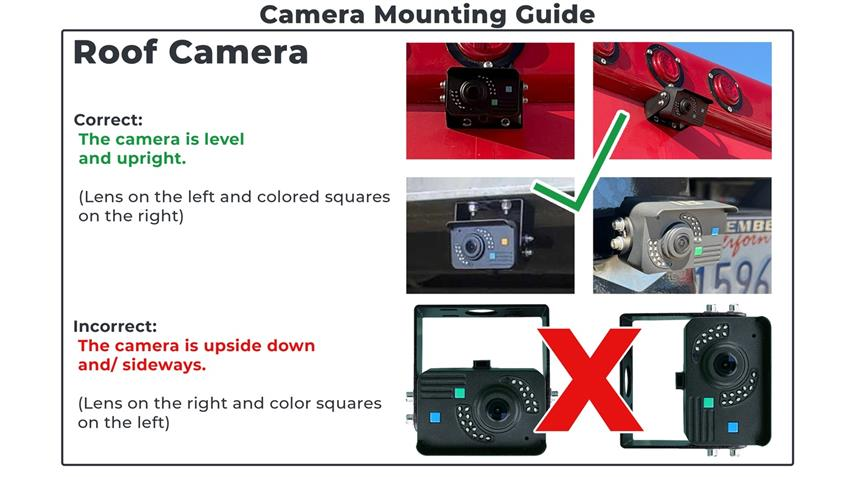
You can learn wheel technique. You can practice in empty parking lots. But without proper rear visibility, you are still guessing. Mirrors show angles. They do not show depth well. They also leave blind zones near the bumper.
This is where modern Backup Camera Systems step in. These systems provide a live rear view feed. Some kits include multi-camera options like the Backup Camera Systems with 3-5 Rear View Cameras, which give coverage along both trailer sides and the rear door.
You might ask yourself:
- Do I really need a camera system?
- Is this worth the money?
- Can beginners handle this?
If you tow often, the answer is simple. Clear sight equals fewer mistakes. Fewer mistakes mean fewer repairs. That alone can justify the investment.
Now let’s move into the practical steps.
Step 1: Start Straight and Set Your Foundation
Before you move the truck, line everything up straight. Your vehicle and trailer should form one clean line. If you begin crooked, you fight the angle from the start.
Straight alignment gives you predictable movement. It also lets your camera display show a clean center path.
Here is your setup routine:
- Adjust mirrors so you see trailer tires
- Turn on your rear camera display
- Roll down your window to hear surroundings
- Remove distractions inside the cab
This foundation step feels simple. Yet most errors happen here. Skip this, and you begin behind.
Step 2: Understand the Steering Rule
The trailer moves opposite your steering wheel. Turn the wheel right, the trailer goes left. Turn left, the trailer goes right.
That sounds backward at first. It is. But once you accept it, you stop fighting it.
Many pros place one hand at the bottom of the steering wheel. Move your hand left, the trailer moves left. This trick reduces confusion. It works well, especially when your camera feed shows the trailer path clearly on screen.
You may think, “Will I overcorrect?” That is common. The fix is simple. Make small movements. Pause. Let the trailer respond. Large corrections create sharp angles and jackknife risks.
Control beats speed every time.
Step 3: Use a Backup Camera System for Precision
Now we address the game changer. A backup camera system does not replace skill. It enhances it.
When you install a quality system from TadiBrothers, you gain real-time depth awareness. You see obstacles behind the trailer. You track alignment with docks, driveways, or campsite pads.
Advanced kits with 3 to 5 cameras give you:
- Rear door visibility
- Side blind spot monitoring
- Hitch alignment view
- Parking line overlays
This matters in tight spaces. If you go back into storage yards or crowded boat ramps, you know how stressful it feels. With multiple camera angles, that stress drops fast.
You might be thinking, “Is installation complicated?” Most systems are designed for straightforward setup. Wired options offer stable signals. Wireless options reduce cable routing. Either way, the learning curve is manageable.
And once installed, you will wonder how you ever towed without it.
Step 4: Control Speed and Angle
Backing up is not about throttle. It is about patience.
Idle speed is enough. Release the brake gently. Let the truck roll slowly. Cover the brake pedal. If you move too fast, small errors grow large.
Watch your camera display and mirrors together. The camera shows depth. The mirrors show angle. Use both like a pilot checks instruments.
Here is what pros focus on:
- Keep movements slow and steady
- Stop often to reset alignment
- Avoid sharp steering swings
- Pull forward if angle becomes extreme
Pulling forward is not failure. It is a smart correction. Even experienced drivers reset multiple times during tricky parking.
Ask yourself at that moment, “Do I push through or reset?” Reset wins.
Step 5: Practice in Low-Pressure Environments
Skill builds with repetition. Do not wait until a crowded campground tests you.
Find an empty parking lot. Place cones or boxes. Practice straight backing first. Then try gentle curves. Watch how the trailer reacts on your camera screen.
Training this way helps answer real doubts:
- Is this okay for beginners? Yes, if you practice calmly.
- Will I panic in public? Less likely after rehearsing.
- Do I need someone guiding me outside? Not always, if your camera system covers blind spots.
Consistency builds muscle memory. Soon, steering corrections feel natural. Your stress level drops. Your timing improves.
Common Mistakes to Avoid
Even with good gear, mistakes happen. Knowing them helps you avoid them.
- Turning the wheel too much too fast
- Ignoring trailer pivot angle
- Relying only on mirrors
- Rushing because others are waiting
Pressure from onlookers is real. But remember, safety matters more than their impatience. Take your time. You control the situation.
Choosing the Right Backup Camera System
If you are serious about improving how to back up a trailer, choosing the right equipment matters.
Think about your setup:
- Small utility trailer
- RV or fifth wheel
- Commercial box truck
- Boat trailer
Different trailers need different coverage. Multi-camera systems offer wide monitoring. Single camera kits work well for lighter towing needs.
When evaluating options, consider:
- Screen size and clarity
- Night vision capability
- Weather resistance
- Wired versus wireless connection
You are not buying a gadget. You are buying peace of mind.
Why Choose TadiBrothers for Your Trailer Backup Needs
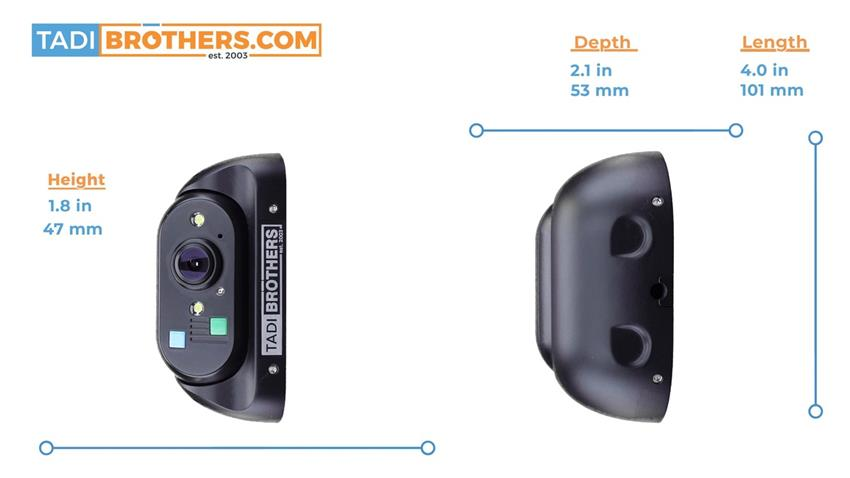
When you tow often, you need equipment you can trust. That is why many drivers rely on TadiBrothers for dependable backup visibility solutions. Their systems are built for real road use, offering clear images and durable components that perform in all weather conditions.
A strong example is the 1080P Rear-View System for RVs with 3 AHD Cameras and Backup Monitor. This system gives you sharp 1080P HD clarity with three cameras covering multiple angles behind your RV or trailer.
The dedicated monitor inside your cab lets you see obstacles, blind spots, and tight spaces in real time.
Why drivers choose it:
- Triple camera coverage for wider visibility
- Crisp 1080P HD video quality
- Reliable AHD signal for stable viewing
- Weather-resistant design for RV travel
Instead of guessing, you see exactly what is behind you. That confidence makes backing safer, smoother, and far less stressful.
Putting It All Together
By now, you see the pattern. Backing a trailer is not magic. It is preparation, small steering inputs, controlled speed, and clear visibility.
You understand why visibility reduces stress. You know why starting straight prevents chaos. You see how modern camera systems improve precision. You also know practice removes fear.
Learning how to back up a trailer is less about bravery and more about clarity. With the right mindset and reliable tools, tight spots become manageable. Busy lots feel less intimidating. Your truck and trailer move as one unit.