
A safe road trip in an older car or RV depends on visibility, preparation, and smart safety essentials. Older vehicles are reliable but often lack modern safety features. Blind spots feel larger, parking takes more effort, and night driving can increase stress.
These risks grow on long trips, especially with family onboard. Upgrading to a better backup camera improves rear visibility and reduces reversing anxiety. The right essentials help drivers stay calm, confident, and in control.
This guide puts safety first, then covers packing and family needs for real-world road trips.
Why Safety Planning Looks Different for Older Cars and RVs
Older vehicles require more awareness. Rear visibility is limited. Sensors may be missing. Brakes and suspension respond differently under load. RVs add height, length, and weight, which changes how the vehicle behaves on highways and in parking areas.
Most travel incidents happen at low speed. A missed curb. A hidden post. A child walking behind the vehicle. These moments rarely make headlines, but they cause stress, damage, and injury. Smart safety tools aim to prevent these everyday situations from turning into regrets.
1. Backup Camera System for Rear Visibility
A backup camera system is one of the most effective safety upgrades for older vehicles. Rear blind spots are common, especially in SUVs, vans, trucks, and RVs.
A properly installed system shows what mirrors cannot. It helps during parking, reversing at rest stops, or backing into campsites.
You can opt for backup camera systems to upgrade from the older tech, such as those available from TadiBrothers, which are built to handle long distances and rough conditions without constant recalibration.
Mini how-to tip:
Before the trip, test the camera in an empty parking lot. Reverse slowly toward cones or bags to understand distance perception. Adjust the screen angle so glare does not block the view during daylight.
2. GPS Navigation System
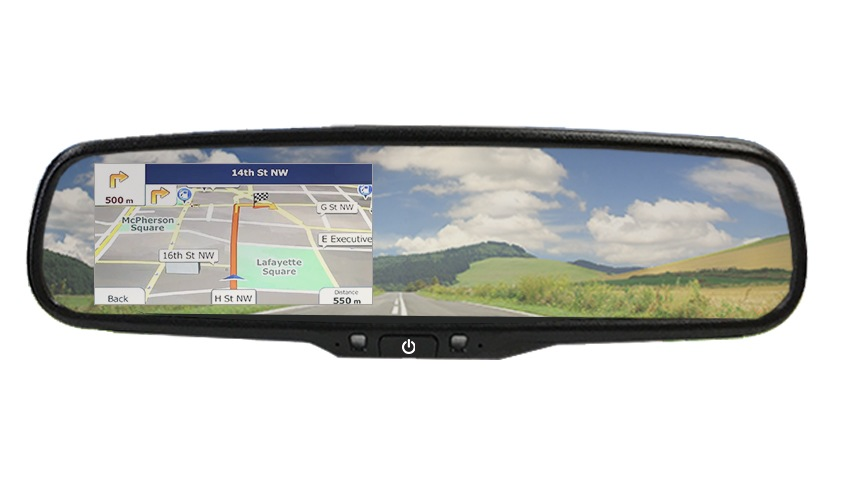
A Full Mirror GPS Navigation System with Android Auto and an optional backup camera improves both navigation and rear visibility. It delivers clear directions, real-time traffic updates, and hands-free access to essential apps. When connected to a backup camera, the mirror display shows what is behind the vehicle without adding dashboard clutter. This setup reduces distractions and supports safer driving during long trips and tight maneuvers.
Mini How-To: Setting It Up for Safe Use
Mount the mirror securely over the existing rearview mirror. Connect Android Auto for navigation and calls. Pair the optional backup camera and adjust the viewing angle. Test visibility in daylight and low light. Fine-tune brightness to avoid glare while driving.
This combination helps drivers stay informed, aware, and in control throughout the journey.
3. Night Vision Capability for Low-Light Conditions
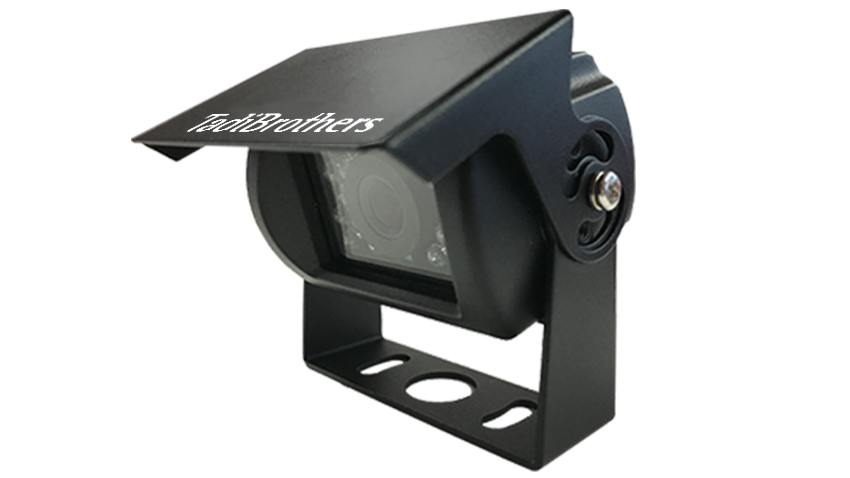
Road trips often extend past sunset. Late campground arrivals and early departures are common. Night vision improves clarity when headlights alone are not enough.
Infrared or low-light cameras reveal obstacles that disappear in the dark, improving awareness. This reduces hesitation and removes guesswork when reversing. For wider coverage and added confidence, the Wireless RV Backup Camera with Bird’s Eye View offers a clear, all-around perspective.
Mini how-to tip:
Test night vision at dusk, not total darkness. Adjust brightness levels until objects appear sharp without washing out the screen.
4. Weather-Resistant Camera Hardware
Road trips expose vehicles to rain, heat, dust, and constant vibration. A backup camera that fails mid-trip quickly becomes a safety risk.
Weather-sealed hardware protects internal components from moisture and debris. This durability keeps the system working reliably across changing climates, rough roads, and long driving days.
Mini how-to tip:
Before departure, spray water lightly near the camera housing. Check for flickering or fogging on the display.
5. Multi-Camera Support for RVs and Trailers
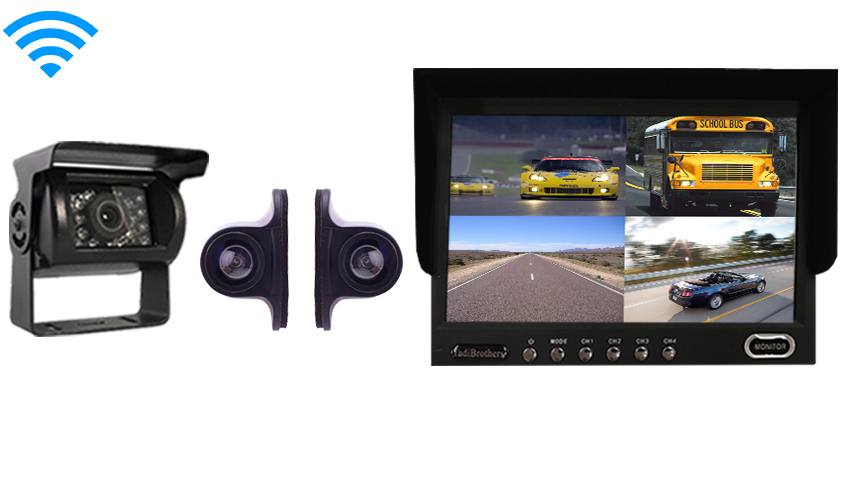
Large vehicles create more blind zones. A single rear camera may not cover trailer connections or side angles.
Multi-camera setups allow drivers to monitor rear, side, or hitch views. This reduces stress during lane changes and backing maneuvers.
Mini how-to tip:
Label camera inputs on the monitor. Clear labeling avoids confusion when switching views quickly.
6. Clear, Glare-Free Monitor Display
A safety system is only useful when information is easy to read. Poor screens cause distraction and frustration.
A good monitor stays visible in bright sunlight and dims automatically at night. Clear resolution matters more than screen size.
Mini how-to tip:
Sit in the driver’s seat during mid-day sun. If reflections block the image, reposition the monitor before traveling.
7. Reverse Sensors for Distance Awareness

Backup sensors add sound alerts when objects get too close. They work best as a secondary layer, not a replacement for cameras.
Sound cues help drivers react faster when depth perception feels unclear.
Mini how-to tip:
Practice backing toward a wall at low speed. Note when alerts activate and how much space remains.
8. Vehicle Condition Check Before Departure
Technology supports safety, but basic maintenance still matters. Many road trip issues come from skipped checks.
Before leaving, confirm tire pressure, brake response, lights, and fluid levels. This step is essential in any road trip checklist for family planning.
Mini how-to tip:
Check tire pressure early in the morning when tires are cold. This gives the most accurate reading.
9. Emergency and First Aid Kit
Unexpected stops happen. An emergency kit turns delays into manageable situations instead of stressful ones.
A complete kit includes first aid supplies, flashlight, reflective triangles, jumper cables, and phone power backup.
Mini how-to tip:
Store the kit in an easy-to-reach spot; not buried under luggage.
Expanded Road Trip Packing and Family Essentials
Safety equipment works best when combined with smart packing. Families often search for guidance beyond vehicle gear. This section addresses broader intent without losing focus.
Essential family and comfort items include:
- Refillable water bottles
- Non-messy snacks
- Phone chargers or power banks
- Sunglasses for glare reduction
- Travel pillows or light blankets
- Paper maps for low-signal areas
These items reduce fatigue and keep passengers comfortable, which indirectly improves driver focus.
Quick Road Trip Safety Checklist
A short recap helps with planning and memory:
- Backup camera system
- Wide-angle lens
- Night vision support
- Weather-sealed hardware
- Multi-camera capability
- Clear monitor display
- Reverse sensors
- Vehicle maintenance check
- Emergency and first aid kit
- Family comfort essentials
This checklist balances safety, preparedness, and real travel needs.
Common Questions Drivers Think About
Is a backup camera still useful on highways?
Yes. Highways involve frequent stops, rest areas, fuel stations, and tight parking spaces. Backup cameras help during lane changes, parking, and sharp turns that occur often on long drives.
Is this setup too much for short trips?
No. Short trips carry the same visibility risks as long ones. Blind spots remain constant, regardless of distance or trip length.
Does safety gear replace careful driving?
No. Safety gear does not replace attention or judgment. It enhances awareness, reduces errors, and supports better decision-making behind the wheel.
What is essential for a long road trip?
A long road trip needs safety, visibility, and preparation. Key essentials include a first-aid kit, emergency tools, navigation support, water, snacks, and visibility aids like mirrors or backup cameras. These items reduce stress and improve control on unfamiliar roads.
What is the 1-2-3-4-5-6 packing rule?
The 1-2-3-4-5-6 rule simplifies packing by category. Pack one navigation aid, two safety items, three clothing basics, four food or water supplies, five personal care items, and six comfort or convenience items. This method prevents overpacking while covering core needs.
Note: Road trips reward preparation. The difference between a tense drive and a confident one often comes down to small decisions made before departure. The road stays unpredictable, but the level of readiness does not have to be.