
Choosing the best backup camera for RV wireless systems requires understanding performance, signal strength, and reliability on the road.
As RV owners seek safer maneuvering and clearer visibility during travel, modern wireless systems provide a dependable alternative to complex wired installations.
If you’re looking for the best camera system or planning to replace your old one, be sure to check out Tadibrothers for reliable options.
In this guide, we explore top-rated features, monitor options, installation steps, and what truly sets premium systems apart.
Why Wireless RV Backup Cameras Are Becoming Essential
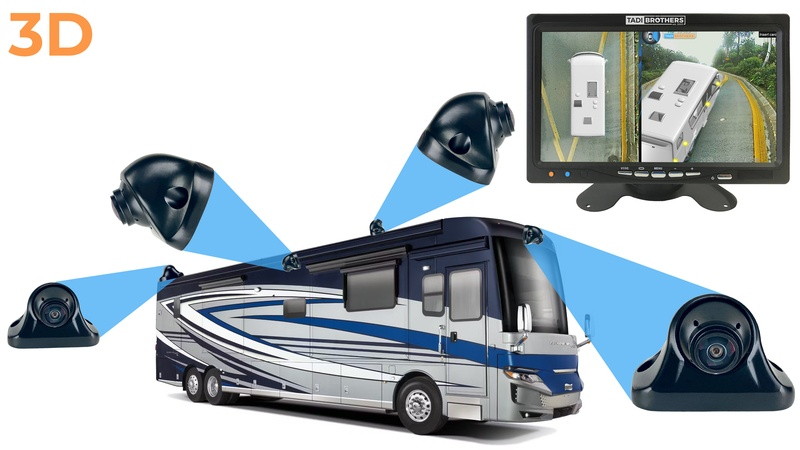
RV drivers need to navigate with larger blind zones and an extended vehicle lengths, making visibility a crucial factor in road safety.
A well-designed backup camera for RV wireless setups delivers real-time visuals that support reversing, lane changes, hitching, and parking in tight campgrounds. With crisp imaging and long-range signal transmission, today’s wireless systems create a safer and more predictable driving environment.
Key Features to Look for in a Wireless RV Backup Camera System
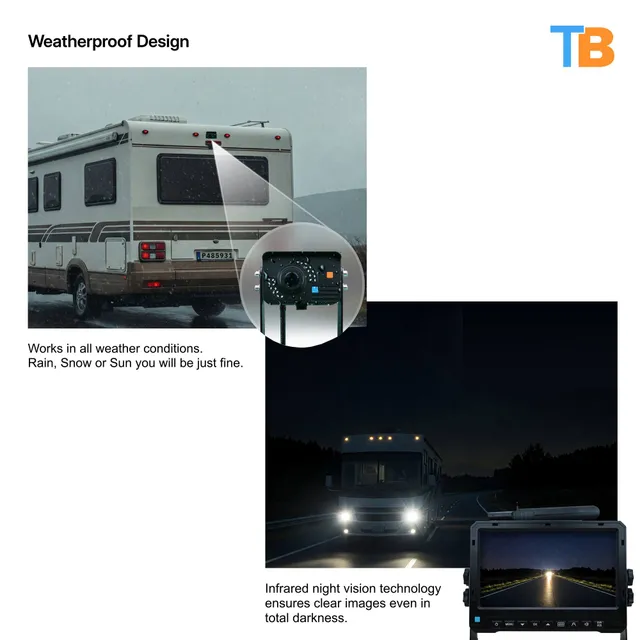
Here are the key features to look for in a wireless RV Backup Camera System:
Night Vision for Low-Light RV Safety: Night vision is crucial for safe RV maneuvering in low light. Quality wireless RV cameras use infrared LEDs or low-lux sensors to provide clear images in darkness, helping you spot obstacles, vehicles, and tight spaces with confidence. This makes your backup camera for the RV wireless system reliable at any hour.
High-Definition Imaging: Choose systems with 720P or 1080P HD for sharper views of obstacles and parking lines. Features like WDR or HDR improve clarity in bright or low-light settings. For reliable HD options, Tadibrothers offers several top-performing models.
Long-Range Signal Transmission: RVs need strong wireless performance. Look for 450–700 feet of open-air transmission with digital frequency hopping to reduce lag and interference. Tadibrothers is known for long-range wireless systems that stay stable even on large motorhomes.
Weatherproof Camera Housing: A high-quality backup camera for an RV wireless setup should have IP67 or IP69K ratings to handle rain, dust, and road debris throughout your travels.
Wide Viewing Angles
Aim for cameras with 120°–170° viewing angles to reveal low obstacles, pets, and campsite items that often stay hidden behind an RV.
Large and Clear Monitors: Monitors sized 5–7 inches offer strong visibility. Touchscreen models enhance ease of use with split-screen views and adjustable parking lines.
3D 360° Surround View Backup Camera System – Full RV Visibility
For full coverage, 360° Surround View Backup Camera Systems combine multiple cameras into one overhead view, removing blind spots on all sides. Tadibrothers also offers360° RV backup camera solutionsfor drivers who want complete awareness and a safer driving experience.
Top Wireless RV Backup Camera Configurations
Single Camera Systems
Ideal for standard reversing and parking. These systems focus on a single rearview, providing consistent visuals for most travel scenarios.
Dual Camera Systems
Dual setups include a rear camera plus a dedicated running camera, offering visibility while driving and reversing. They support constant monitoring of blind spots or towing connections.
Four-Camera RV Systems
Large RVs, fifth wheels, and Class A motorhomes benefit most from complete four-camera solutions. These systems cover:
- Rear view
- Left blind spot
- Right blind spot
- Forward or hitch view
Multi-camera wireless systems use a split-screen monitor to present simultaneous feeds.
Installation Overview for Wireless RV Backup Cameras
Mounting the Camera
Most cameras attach to:
- Marker light areas
- License plate frames
- Rear ladder mounts
- Bumper locations
Once mounted, they connect to the RV’s 12V power or reverse lighting circuit.
Pairing the Wireless Monitor
Monitors plug into a standard 12V cigarette port or are hardwired into the dash. Advanced systems auto-pair once powered on, creating a stable digital connection.
Antenna and Range Considerations
External antennas improve reception, especially for:
- Large Class A RVs
- Fifth-wheel trailers
- Toy haulers
Some systems include extension antennas to increase signal stability while towing.
Evaluating the Best Wireless Backup Camera Brands for RVs
Signal Strength and Stability
Brands offering digital frequency hopping outperform analog transmitters, ensuring better clarity over long distances. They remove static, prevent Wi-Fi interference, and maintain steady transmissions during movement.
Night Vision Quality
Infrared LEDs or sensors provide clearer images during nighttime backing. Look for systems that have:
- Automatic IR activation
- Low-lux sensors
- Anti-glare monitor glass
User Interface and Controls
The ideal backup camera for an RV wireless system features:
- On-screen gridline adjustment
- Auto-pairing
- One-touch camera switching
- Mirror/normal view toggle
- Brightness and contrast customization
Durability and Longevity
RVs experience constant movement, vibration, dust, and temperature shifts. Reliable brands offer rugged builds and long-term warranty protection to ensure consistent performance across extended trips.
Monitor Options for Better RV Visibility
5-Inch Compact Monitors
Perfect for drivers who prefer minimal dashboard obstruction. Compact but effective.
7-Inch Full-View Monitors
Larger and easier to read while driving, these monitors suit larger rigs and night driving conditions.
Split-Screen Displays
Split screens allow drivers to view multiple camera angles at once. This is especially helpful when navigating tight campsites or backing into angled parking spots.
Advanced Features Worth Considering
Motion Detection and Parking Mode
Some wireless RV cameras offer motion-triggered recording or wake-up features, useful for campsite security or storage monitoring.
Recording Functionality
DVR-capable monitors allow continuous or loop recording, providing valuable evidence during unexpected incidents.
Solar-Powered Cameras
A newer option for RVs, solar cameras reduce wiring complexity and offer energy-efficient operation.
Side Marker Light Cameras
These cameras replace OEM marker lights with side-view lenses, offering blind spot coverage without drilling new holes.
Optimizing Performance for Your RV
To maximize the reliability of your backup camera for RV wireless systems:
- Install antennas in elevated, unobstructed locations
- Verify monitor placement minimizes glare
- Use extensions when towing long trailers
- Update firmware if your system supports upgrades
Regular inspection ensures consistent performance over long road trips.
Who Needs a Wireless Backup Camera the Most?
A wireless system is ideal for:
- Class C RV drivers needing simpler installation
- Fifth-wheel and trailer owners requiring long-range transmission
- Class A motorhome owners maneuvering large rigs
- New RV users seeking enhanced driving confidence
Whether navigating tight campgrounds, reversing into angled spots, or monitoring rear traffic, these systems significantly reduce stress.
Final Verdict: What’s the Best Wireless Backup Camera for Your RV?
The best RV backup camera system depends on RV size, driving habits, and preferred features. For most RV owners, the ideal solution includes:
- A long-range digital wireless transmitter
- A weatherproof IP69 camera
- Night vision capability
- A 7-inch monitor with split-screen support
- Optional dual or quad camera expansion
A well-chosen backup camera for an RV wireless setup transforms your driving experience with safer navigation, clearer visibility, and smoother parking. With the right features and long-range performance, your RV gains a dependable, high-definition view that enhances every journey. If you want a trusted upgrade or a new system, TadiBrothers offers reliable RV camera options that fit a wide range of needs.